November 19, 2026
Turning on the kitchen faucet to brew morning coffee and getting nothing but a dry hiss of air is a jarring wake-up call for any homeowner on a private well. Because your pump sits buried deep underground inside the well casing or tucked quietly inside a utility room, it is easy to take running water for granted until the tap suddenly runs dry. Without working water pressure, everyday routines—from flushing toilets and running laundry loads to washing dishes and taking showers—come to an immediate standstill.
Most well owners assume a sudden loss of water means the entire pump motor has burned out, yet many abrupt shutdowns stem from specific mechanical, electrical, or water-table issues that develop quietly over time. According to HomeAdvisor, well pumps last between 8 and 15 years when regularly maintained. Calling an experienced well pump service at the first sign of sputtering faucets or fluctuating water pressure helps pinpoint the exact culprit before minor component wear leaves your household completely dry. Understanding the common triggers behind unexpected pump failures gives homeowners practical insight into keeping their private water supply dependable year-round.
1. Experiencing Pressure Tank Bladder Failure and Short-Cycling
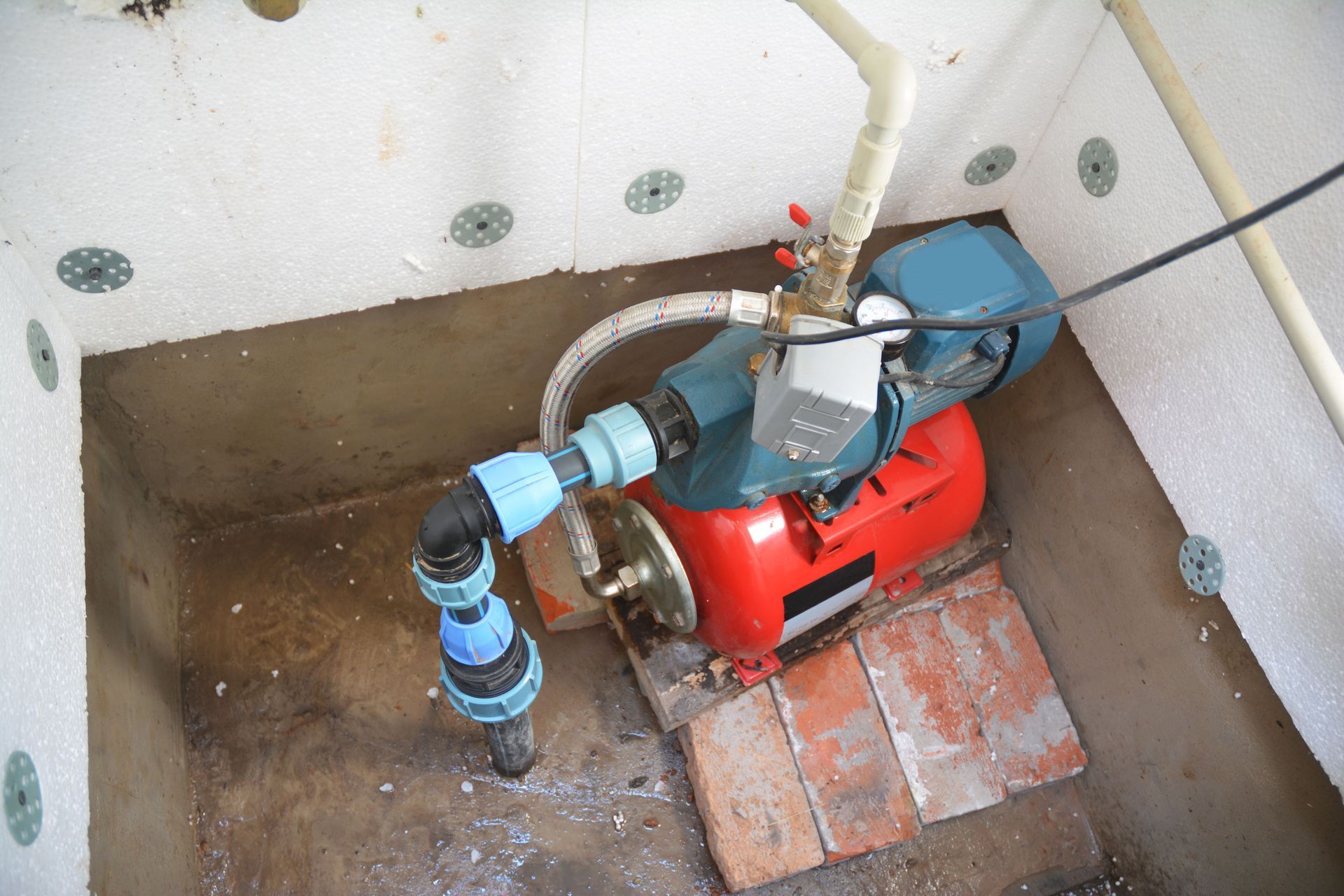
Inside your utility room or well house sits a pressurized storage tank containing a heavy rubber bladder or diaphragm that holds a cushion of compressed air against incoming well water. That air cushion maintains steady household water pressure so your pump does not have to switch on every time someone washes their hands. Over years of constant flexing, that internal rubber bladder can rupture or lose its air charge, filling the entire tank with water.
When a pressure tank becomes waterlogged, the pump kicks on and off rapidly every few seconds whenever a tap opens—a destructive condition known as short-cycling. Constant electrical starts overheat motor windings and burn out contact points within days. Scheduling a prompt well pump service lets technicians test tank air pressure, diagnose ruptured bladders, and install a properly sized replacement tank before rapid cycling destroys your submersible or jet pump.
2. Suffering Electrical Surge Damage and Worn Pressure Switches
Submersible and jet well pumps depend on clean, steady electrical power routed through control boxes, breaker panels, and pressure switches. Whenever lightning strikes nearby power lines or utility grids experience sudden voltage spikes, sensitive start capacitors, overload relays, and underground splice connections take the brunt of the electrical surge. Even without a major storm, the tiny metal contacts inside a pressure switch naturally pit and corrode after tens of thousands of on-off cycles.
When switch contacts weld shut or a control box relay fails, your pump either refuses to turn on or runs continuously until the motor overheats. Relying on a qualified well pump service ensures safe electrical diagnostics using specialized multimeters and amp-clamp testers. Technicians check incoming voltage, replace pitted pressure switches, and test control box capacitors so your pump receives clean, reliable power without risking electrical hazards.
3. Drawing Fine Sand and Mineral Sediment Into Impellers
Beneath the ground, shifting rock formations, aging well screens, and heavy seasonal rain runoff can introduce fine sand, silt, and abrasive mineral grit into your well column. Inside a submersible pump, stacked plastic or stainless-steel impellers spin at thousands of revolutions per minute to push water hundreds of feet upward into your home. Pumping gritty, sediment-laden water acts like liquid sandpaper, grinding down impeller vanes and scoring internal pump bearings.
As internal clearances widen from sand abrasion, the pump loses its ability to build proper shut-off pressure, running longer and hotter until the motor trips its thermal overload switch. Bringing in a dedicated well pump service helps identify sediment intrusion early through flow-rate testing and water quality checks. Technicians can adjust pump placement depth, repair damaged water lines, and pair your well with whole-house sediment filtration to protect new equipment from abrasive grit.
4. Running Dry During Seasonal Droughts or Falling Water Tables
Extended summer dry spells and heavy household water usage—such as watering lawns, filling swimming pools, or hosting weekend guests—can temporarily draw down the standing water level inside your well faster than underground aquifers replenish it. When the water level drops below the pump intake screen, the pump begins sucking air instead of water.
Because submersible well pumps rely on surrounding water flowing past the motor housing to carry away operating heat, running dry for even a few minutes causes rapid overheating that warps seals and melts motor insulation. Contacting a responsive well pump service when faucets start sputtering air protects your pump from catastrophic dry-run burnout. Specialists measure static and pumping water levels, install low-water cutoff protection switches, and can even arrange emergency bulk water delivery to keep your household reservoir supplied during severe droughts.
5. Developing Cracked Drop Pipes and Leaking Check Valves
Between your submersible pump deep in the well and the pressure tank inside your home runs a vertical drop pipe fitted with one-way check valves that hold water weight in the column when the pump shuts off. Over decades of constant water pressure and subtle vibration, threaded pipe joints can crack, galvanized fittings can rust through, and rubber check valve seals can wear out.
When a drop pipe leaks or a check valve fails, pressurized water drains backward down into the well every time the pump turns off, causing household water pressure to plummet and forcing the pump to run endlessly just to catch up. Scheduling a thorough well pump service allows technicians to pull the drop pipe safely using specialized hoist rigs, inspect every threaded coupling, and replace worn check valves or cracked water lines with durable, high-pressure piping.
6. Ignoring Overdue Routine Maintenance and System Inspections
Many homeowners treat their water well like a set-it-and-forget-it appliance, never having the system inspected until water stops flowing altogether. Without periodic checkups, subtle warning signs—such as slightly higher electric bills, faint clicking noises from the pressure switch, minor water line seepage, or discolored tap water—go unnoticed until an emergency breakdown strikes on a holiday weekend.
Establishing a relationship with a trusted well pump service keeps every component of your water system operating at peak efficiency. Routine inspections include checking amp draw on the motor, verifying pressure switch cut-in and cut-out settings, testing pressure tank air charges, and evaluating water filtration cartridges.
7. Exceeding Normal Equipment Lifespan Through Continuous Wear
Even with clean water, balanced tank pressure, and steady electrical voltage, every mechanical pump eventually reaches the end of its service life after years of lifting thousands of gallons of water each month. Bearings gradually wear loose, mechanical shaft seals harden, and motor insulation breaks down under thousands of heating and cooling cycles.
Losing running water without warning disrupts every part of daily home life, yet most sudden well pump shutdowns trace back to preventable wear across pressure tanks, electrical switches, sediment buildup, or aging drop pipes. Paying attention to early clues like sputtering faucets, rapid pump cycling, or dropping water pressure helps you catch mechanical trouble before your motor burns out completely.
Routine inspections, clean sediment filtration, and properly calibrated pressure tanks keep water flowing smoothly while helping your equipment reach its full expected lifespan. Having a dependable local water specialist ready when urgent issues strike brings peace of mind to every household relying on a private well. When you need fast emergency diagnostics, routine maintenance, or a durable pump replacement backed by strong warranties, contact A First Choice Well Service today to schedule your appointment with a professional
well pump service.