August 11, 2026
A dependable water supply is one of the most valuable assets a property can have. Whether you own a home in a rural area, manage agricultural land, or operate a commercial property outside municipal water service, investing in a private well can provide consistent access to water for years to come. However, achieving dependable results begins with careful planning and experienced installation rather than simply drilling into the ground.
Property owners considering well drilling in 2026 should understand that the process involves much more than operating heavy equipment. Every project requires careful evaluation of the property, compliance with applicable regulations, and thoughtful system design to maximize water production and long-term performance.
The industry also continues to serve a substantial number of customers across the country. According to IBISWorld, the United States was home to roughly 8,379 water well drilling companies as of 2025, highlighting the ongoing demand for professional groundwater services.
Understanding the Planning Process Before Drilling Begins
Why Every Property Requires an Individual Evaluation
No two properties have identical underground conditions. Soil composition, rock formations, groundwater availability, elevation, and nearby water sources all influence how a project should proceed. Because of these differences, experienced contractors begin every project with a detailed site evaluation instead of making assumptions based on neighboring properties.
During the evaluation, professionals determine the most appropriate drilling location while considering accessibility, property layout, and local regulations. They also review expected water demands so the completed well can support daily household activities, irrigation, commercial operations, or other intended uses. This planning stage establishes the foundation for a successful installation.
Permits and Regulations Protect Everyone Involved
Professional well drilling contractors understand the permitting process and applicable groundwater regulations that govern new wells. Requirements often include setback distances from septic systems, property boundaries, and potential contamination sources. These standards exist to help safeguard groundwater quality and protect both current and future property owners.
An experienced contractor coordinates the required permits before work begins and follows accepted construction practices throughout the project. This attention to detail reduces the likelihood of delays, minimizes compliance issues, and helps ensure the finished well satisfies applicable requirements.
Preparing the Site for Efficient Installation
Before drilling equipment arrives, contractors prepare the property to promote a smooth installation process. This preparation may involve improving equipment access, clearing work areas, evaluating grading conditions, and identifying underground utilities. Proper preparation helps reduce unnecessary disruption while allowing crews to work safely and efficiently.
Property owners can also expect discussions about project timelines, equipment staging, and any temporary changes to property access during construction. Open communication before work begins allows everyone to understand what will happen throughout the installation and helps establish realistic expectations from start to finish.
Knowing What Happens During Installation
The Drilling Process Involves Multiple Carefully Managed Steps
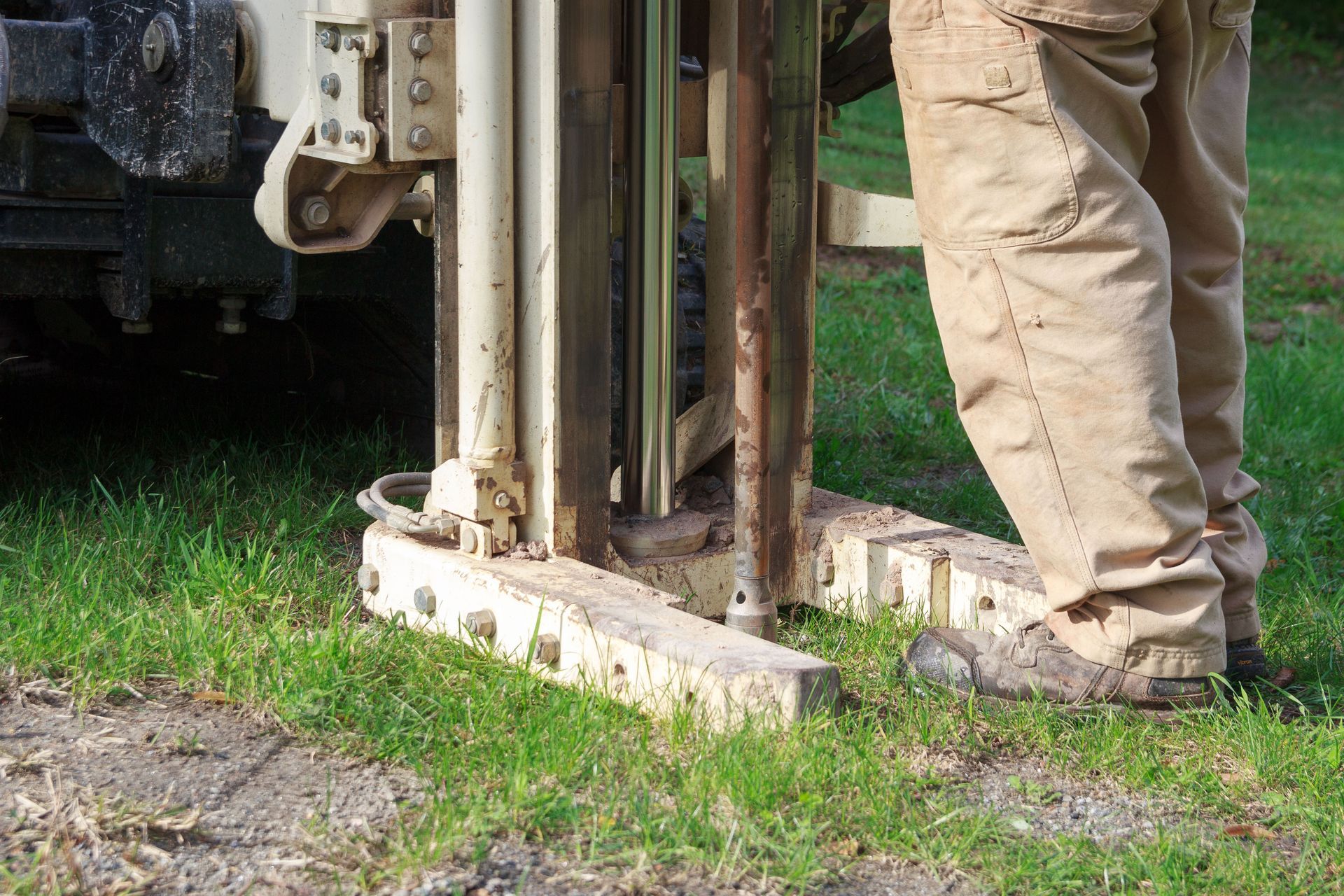
Once preparations are complete, the actual well drilling process begins. Contractors use specialized equipment to penetrate soil and rock until reaching a productive groundwater source. Throughout the project, they continuously evaluate underground conditions and adjust drilling methods as necessary to match changing formations.
Reaching groundwater is only one part of the installation. Contractors must also install appropriate casing, protect the well structure, and complete additional construction steps that contribute to long-term performance. Each phase requires careful attention because every component plays a role in preserving water quality and system reliability.
Water Quality and Pump System Installation Matter
After construction is complete, additional work prepares the system for everyday use. Water quality testing helps identify naturally occurring minerals or other characteristics that may influence treatment recommendations. Understanding water quality early allows property owners to make informed decisions about filtration or conditioning equipment when necessary.
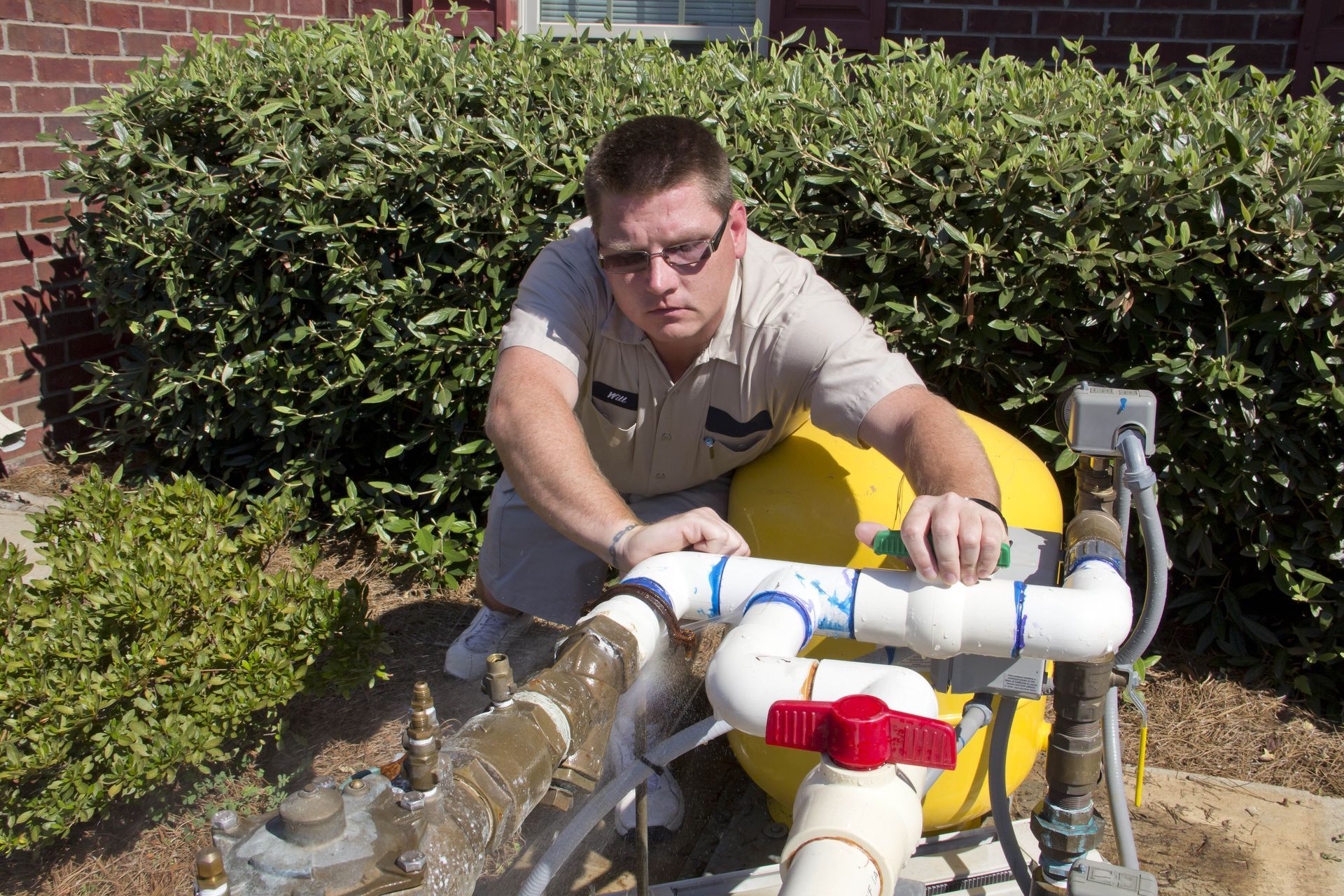
Pump installation is equally important because the pump delivers water from the well to the property. Proper sizing ensures the system can meet expected demand without placing unnecessary strain on equipment. Experienced contractors evaluate household or commercial water usage before selecting components that support dependable operation for years to come.
Every Project Is Designed for Long-Term Performance
Professional installations focus on durability rather than simply completing the initial construction. Contractors select appropriate materials, install protective components, and verify system performance before considering the project finished. These measures help reduce the likelihood of premature wear and support consistent water production over time.
Property owners should also expect a thorough walkthrough after installation. Contractors typically explain basic system operation, answer questions about routine maintenance, and discuss what normal performance should look like. Understanding the completed system helps owners recognize potential concerns before they become significant problems.
Protecting Your Investment After Installation
Regular Maintenance Helps Preserve Performance
Installing a private well represents a significant long-term investment, making ongoing maintenance an important responsibility. While professionally constructed wells often provide reliable service for many years, periodic inspections help identify developing issues before they lead to expensive repairs or interruptions in water service.
Routine maintenance may include evaluating pump performance, inspecting visible system components, checking pressure systems, and monitoring overall operation. Well drilling contractors can also recommend maintenance schedules based on local groundwater conditions and expected water usage, allowing property owners to keep their systems operating efficiently.
Water Testing Supports a Healthy Water Supply
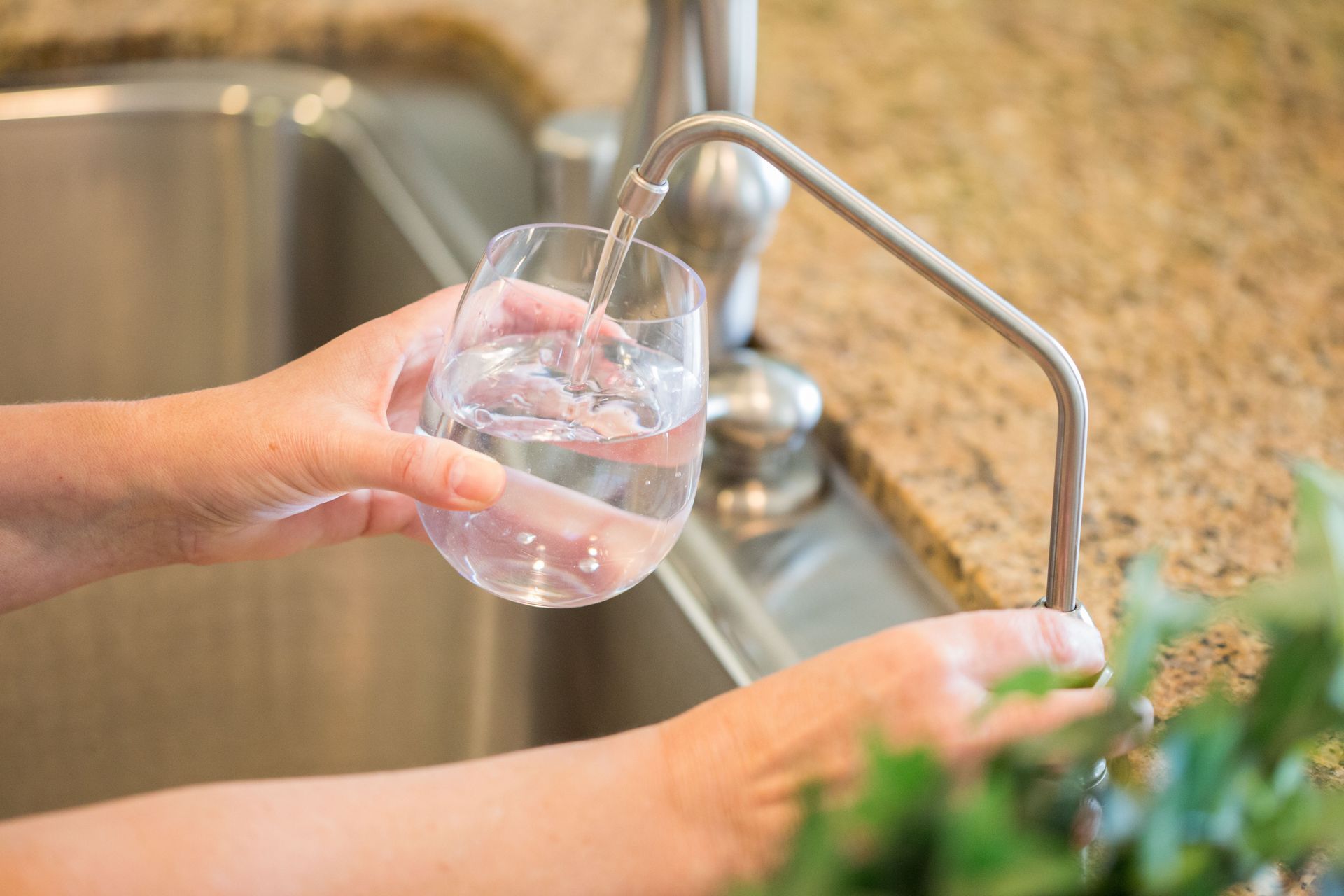
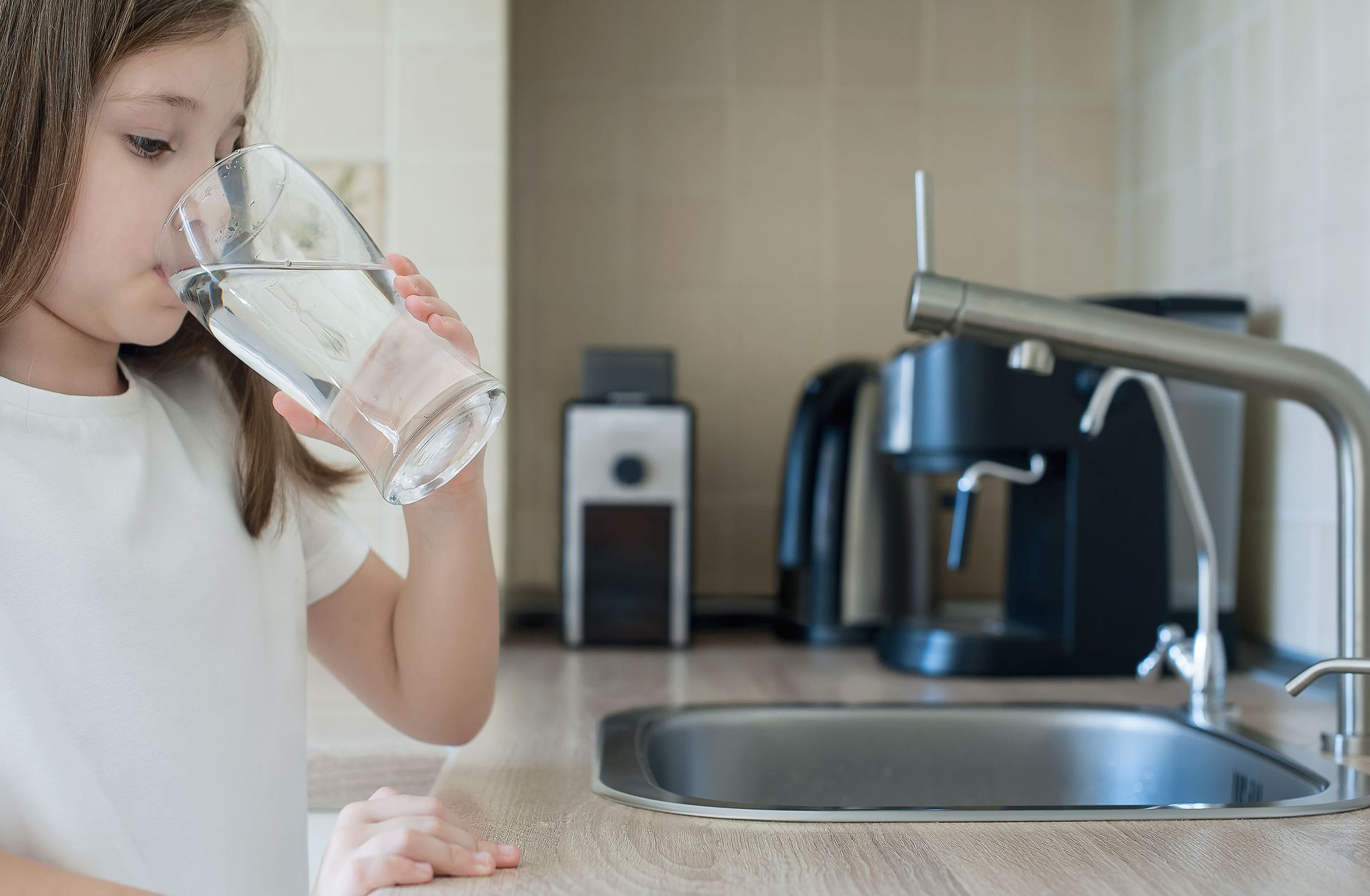
Regular water testing remains an important part of responsible well ownership. Groundwater conditions can change gradually over time because of seasonal variations, nearby land use, or naturally occurring minerals. Periodic testing helps verify that water quality continues meeting the property's needs while identifying any changes that deserve attention.
If testing reveals concerns, professionals can recommend appropriate treatment options based on the specific water conditions. Solutions may include filtration systems designed to reduce sediment, address mineral content, or improve overall water quality. Choosing treatment based on testing results allows property owners to address actual conditions instead of relying on assumptions.
Professional Support Continues Beyond Installation
The relationship with a qualified contractor should not end once construction is complete. Over the life of the system, property owners may eventually require pump repairs, rehabilitation services, water quality evaluations, or assistance with expanding water capacity. Working with a company that offers comprehensive well services provides valuable continuity whenever maintenance or repairs become necessary.
Many contractors also provide emergency services when unexpected issues affect water availability. Having an established service provider familiar with the property's system often leads to faster diagnosis and more efficient repairs. This ongoing support helps protect the investment while reducing downtime when problems arise.
Professional well drilling is a carefully managed process that combines thorough planning, skilled installation, and ongoing maintenance to provide dependable access to groundwater. From evaluating site conditions and obtaining permits to installing pumps and monitoring water quality, every stage contributes to the overall success and longevity of the system.
For property owners considering well drilling in 2026, partnering with an experienced contractor offers confidence that every aspect of the project will be handled with care. A knowledgeable team can evaluate your property's unique conditions, recommend appropriate solutions, and provide continuing support through maintenance, rehabilitation, water quality testing, and pump services. With the right approach from the beginning, a professionally installed private well can provide reliable water for your property for many years to come.
Ready to secure a dependable water source for your home or business? Contact A First Choice Well Service today to schedule a consultation and let us design a well system that provides reliable water for generations.