May 22, 2026
Clean drinking water is easy to take for granted until a strange taste, cloudy appearance, or recurring maintenance issue raises concern. Homes depend on water for drinking, cooking, bathing, and cleaning, so even small quality problems can affect comfort and confidence. Water may look clear yet still carry minerals, sediment, chlorine, odors, or substances that make it less pleasant to use.
Water filtration gives homeowners a practical way to reduce many common concerns. The right system can improve taste, help manage visible particles, reduce certain contaminants, and support better performance from plumbing fixtures and appliances. By understanding how filtration works, homeowners can make informed decisions about protecting their water.
Reducing Unwanted Tastes and Odors
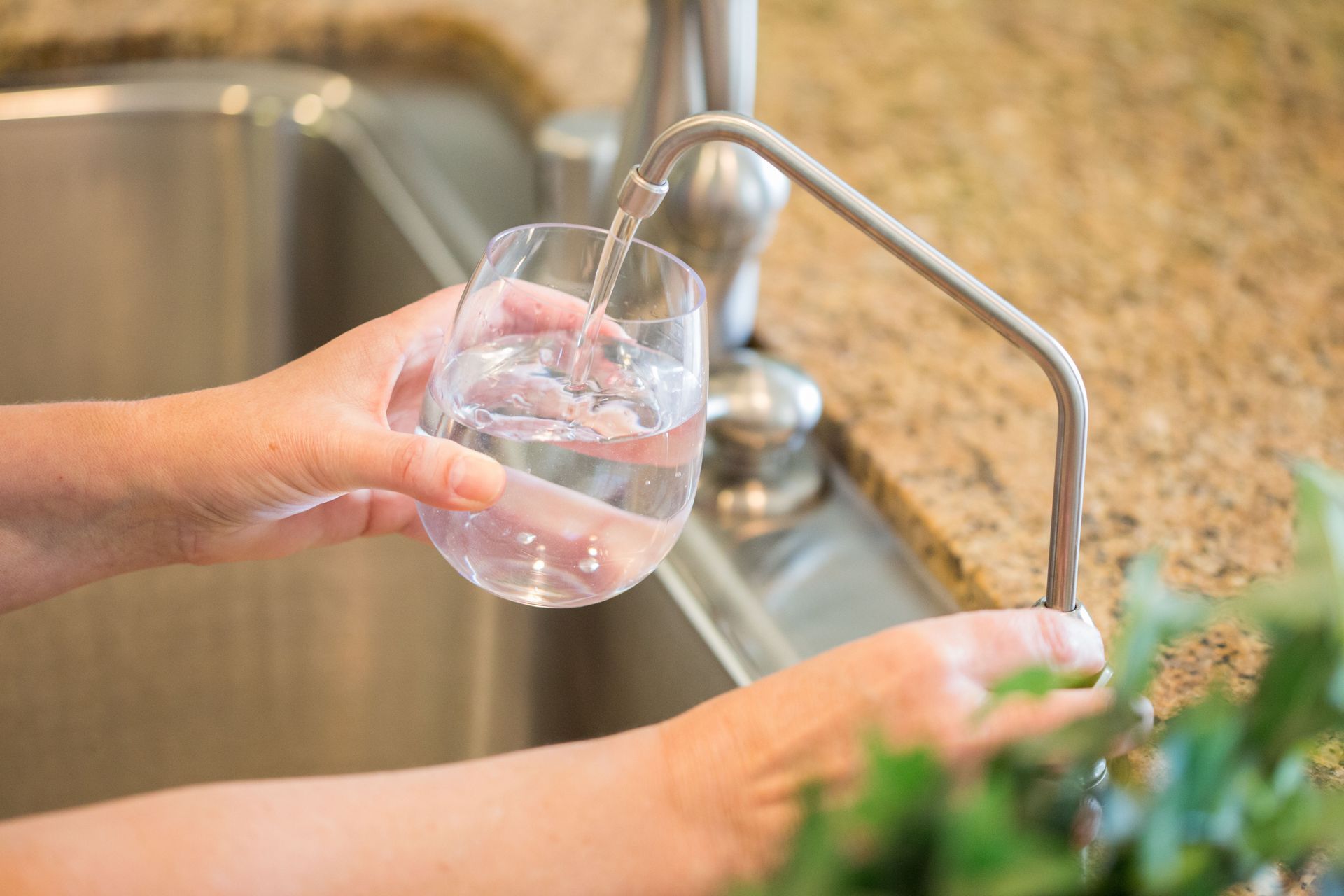
One of the most noticeable reasons homeowners consider water filtration is the taste or smell of their water. Chlorine, sulfur, iron, organic matter, and minerals can all affect how water tastes at the tap. These issues can make drinking water, coffee, tea, soups, and cooked foods less enjoyable.
A properly selected system can target the source of these issues instead of simply covering them up. Carbon filters, for example, are commonly used to reduce chlorine-related tastes and odors. Other systems may be recommended when the water has a metallic taste, a rotten-egg smell, or a musty quality. Since different problems require different solutions, testing and professional guidance can help determine which method makes sense.
Improving taste can also encourage better hydration at home. When water is more enjoyable to drink, family members may be more likely to choose it over bottled drinks or sugary beverages. That makes water filtration a practical comfort upgrade as well as a daily wellness support.
Managing Sediment and Cloudy Water
Sediment is another common concern, especially for homes with private wells or aging plumbing. Sand, silt, rust, and other small particles can make water look cloudy or gritty. These particles may settle in sinks, tubs, toilets, and appliances, leaving behind residue that creates extra cleaning work.
Water filtration can help capture sediment before it travels throughout the home. Sediment filters are often installed near the point where water enters the house, allowing them to reduce particles before they reach faucets, water heaters, washing machines, and dishwashers. This can improve the look and feel of the water while reducing buildup in parts of the plumbing system.
Cloudy water should not be ignored, especially if the appearance changes suddenly. While some cloudiness may come from trapped air, persistent discoloration or visible particles may point to an issue that needs attention. A water filtration system can be part of the solution, but identifying the cause is important.
Supporting Private Well Water Quality
Homes that use private wells have different responsibilities than homes connected to a municipal supply. Municipal water is monitored by local systems, but private well owners are generally responsible for testing and maintaining their own water. That makes awareness, routine testing, and dependable equipment especially important.
According to the EPA, more than 23 million private domestic wells supply drinking water to households across the United States. With so many families depending on private wells, water filtration can play an important role in reducing concerns that may arise from local geology, groundwater movement, nearby agriculture, septic systems, or older well components.
Well water can contain minerals, iron, manganese, sediment, hardness, or naturally occurring substances that affect taste, color, odor, and usability. In some cases, water may also need treatment for specific contaminants identified through testing. Water filtration is not a one-size-fits-all solution, but a customized system can help address the issues present in a specific well. Regular testing also helps homeowners understand whether conditions are changing over time.
Protecting Plumbing and Household Appliances
Water quality affects more than what comes out of the faucet. Minerals, sediment, and other substances can also influence the performance and lifespan of plumbing fixtures and appliances. When particles or mineral buildup move through the system, they may collect inside water heaters, dishwashers, washing machines, faucets, showerheads, and refrigerator water lines.
Water filtration can reduce some of this strain by limiting the materials that enter household equipment. Sediment filters may help prevent gritty particles from accumulating, while other treatment options may reduce hardness or iron-related staining. This can support smoother operation and make routine maintenance easier.
Appliances that use water often work harder when buildup is present. A water heater, for example, may become less efficient when sediment settles inside the tank. Fixtures may also clog more quickly when minerals and particles collect in small openings. While filtration does not eliminate every maintenance need, it can help create cleaner conditions throughout the water system.
Improving Daily Comfort and Convenience
Water touches almost every part of a household routine. It is used to rinse produce, prepare meals, wash dishes, brew coffee, shower, brush teeth, clean clothes, and care for pets. When water has an unpleasant smell, taste, color, or texture, those daily routines can feel less comfortable.
Water filtration can improve convenience by making water more consistent throughout the home. Instead of relying on bottled water or pitcher filters for every need, homeowners may benefit from a system that treats water before it reaches key taps or the entire house. This can reduce the need to store bottles, replace small filters constantly, or work around ongoing water concerns.
Whole-home systems may be useful when issues affect showers, laundry, appliances, and fixtures. Point-of-use systems may be better when the main concern is drinking and cooking water. The right setup depends on the water source, test results, household size, and the specific concerns homeowners want to reduce.
Choosing a System Based on Testing
The most effective water filtration decisions begin with accurate information. Water may look normal while still containing minerals or substances that affect quality. It may also look cloudy for reasons that are less serious than they appear. Testing helps separate guesswork from facts, allowing homeowners to choose a system based on actual conditions rather than assumptions.
Professional water testing can identify issues such as hardness, iron, manganese, sediment, pH imbalance, bacteria, nitrates, or other concerns, depending on the situation. Once results are available, a professional can recommend the right water filtration or treatment option. This may include sediment filtration, carbon filtration, reverse osmosis, water softening, iron filtration, ultraviolet treatment, or another solution.
Choosing the wrong system can lead to disappointing results. For example, a filter designed for taste may not solve sediment issues, and a sediment filter may not address dissolved minerals. Matching the system to the concern helps homeowners get better performance and avoid unnecessary expenses.
Maintaining Long-Term Water Confidence
Water concerns can change as homes age, wells shift, plumbing wears down, or environmental conditions change. A system that worked well years ago may need adjustment as household needs evolve. That is why long-term water confidence depends on both the right equipment and continued attention.
Water filtration helps homeowners take a proactive approach instead of waiting for problems to become disruptive. By reducing taste issues, odors, sediment, staining, and certain contaminants, filtration can support better daily use and fewer frustrations. Routine testing, timely maintenance, and professional inspections can help keep the system performing properly, especially for private well owners.
Clean, dependable water supports almost every area of home life. Whether the concern is taste, odor, sediment, staining, appliance protection, or well water quality, the right filtration approach can make a meaningful difference. Call A First Choice Well Service today to learn more about water filtration or well services.