May 13, 2026
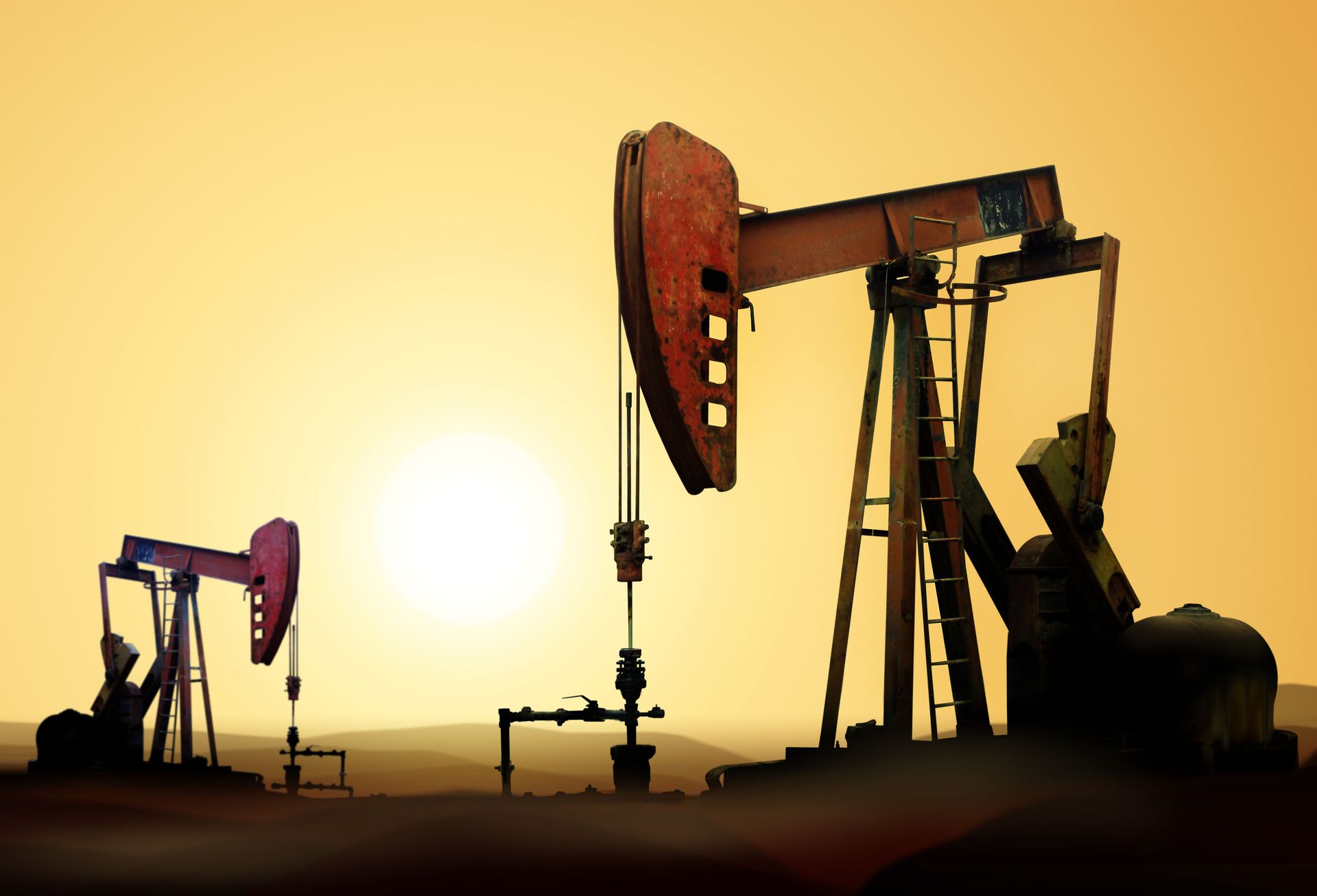
The growth of shale oil and gas production through horizontal drilling has transformed the energy industry. Well service plays a pivotal role in this transformation, providing essential support and innovation. This article explores the expanding role of well service in shale and horizontal drilling, shedding light on its impact, challenges, and the future of the industry. As the shale revolution propels forward, the integration of advanced technologies into these operations has become indispensable. The importance of these services is further accentuated by the increasing demand for sustainable and efficient energy solutions. The rapid expansion of shale development has required a parallel evolution in operational support systems. Service providers contribute not only equipment but also technical expertise that ensures drilling programs remain efficient and adaptable. As energy demand continues to grow, the collaboration between operators and support teams becomes even more essential.
1. Overview of Shale and Horizontal Drilling
1.1 Understanding Shale Formations
Shale formations are fine-grained sedimentary rocks that act as significant natural gas and petroleum reservoirs. They serve as both the source and seal in unconventional hydrocarbon systems, which makes their exploitation complex and resource-intensive. Horizontal drilling, combined with hydraulic fracturing, has enabled access to these resources, significantly boosting production rates.
Shale formations are rich in organic content, making them potential energy sources, yet their exploitation poses challenges due to their low permeability. Innovations in horizontal drilling have marked a significant shift from traditional vertical wells, allowing for increased contact with the hydrocarbon-bearing layer.
Shale formations are found worldwide, yet significant production is concentrated in North America. According to MMR Statistics, North America dominates the industry, accounting for nearly 45% of the market, supported by extensive infrastructure and investment.
1.2 The Rise of Horizontal Drilling Techniques
Horizontal drilling represents a pivotal advancement in oil and gas extraction. Unlike vertical drilling, horizontal methods allow operators to access more of the reservoir, significantly increasing productivity. This method involves drilling vertically and then gradually turning horizontal.
The emergence of horizontal drilling has unlocked vast quantities of oil and gas. Advances in directional drilling tools have improved precision and efficiency, allowing operators to maximize recovery while minimizing surface disruption.
Continuous improvements in drilling fluids, steering systems, and measurement tools have further enhanced performance. These developments support more accurate well placement and reduce operational risks.
1.3 Key Players in the Shale Revolution
The shale revolution includes major oil companies and smaller independent operators that drive innovation. These organizations collaborate with service providers to improve efficiency and adopt new technologies.
Service companies provide essential tools, equipment, and expertise. Their involvement in research and development continues to push the industry forward.
Partnerships between operators and service providers foster innovation, helping streamline workflows and reduce operational inefficiencies across projects.
1.4 Economic Impact of Shale and Horizontal Drilling
The economic impact of shale development has been significant, lowering energy costs and creating jobs. Increased production has strengthened energy security and supported economic growth.
However, market volatility and environmental concerns require careful planning. Balancing profitability with sustainability remains a priority.
Investment in infrastructure and supply chains has also stimulated regional economies, particularly in areas with active drilling operations.
1.5 Environmental Considerations and Challenges
Environmental concerns include water usage, emissions, and waste management. Companies are adopting new technologies to reduce their environmental footprint.
Improved monitoring systems and regulatory frameworks help ensure responsible development while maintaining operational efficiency.
Sustainability initiatives, such as water recycling and emissions reduction strategies, are becoming standard practices in modern operations.
2. The Role of Well Service in Drilling Operations
2.1 Overview of Well Service Functions
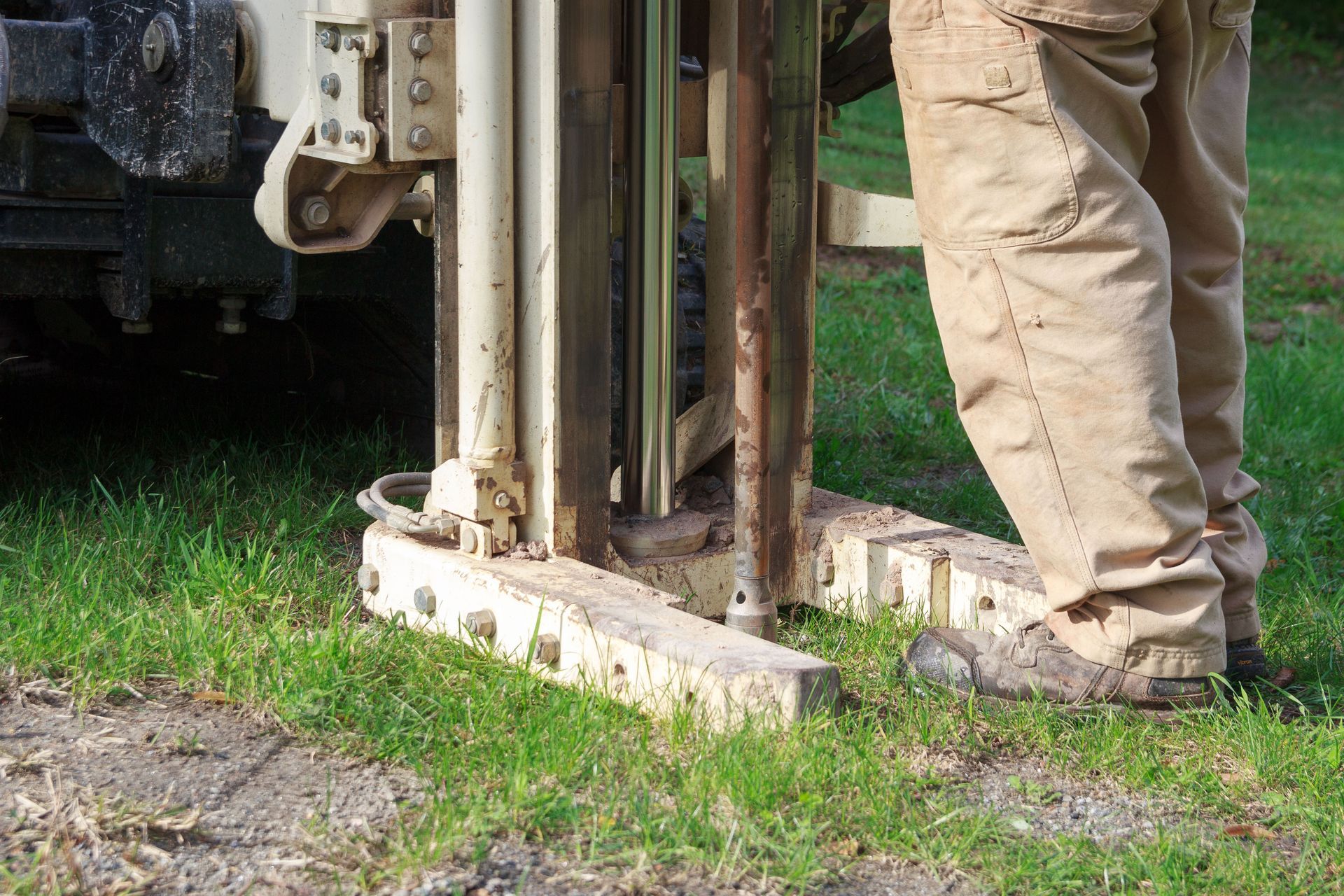
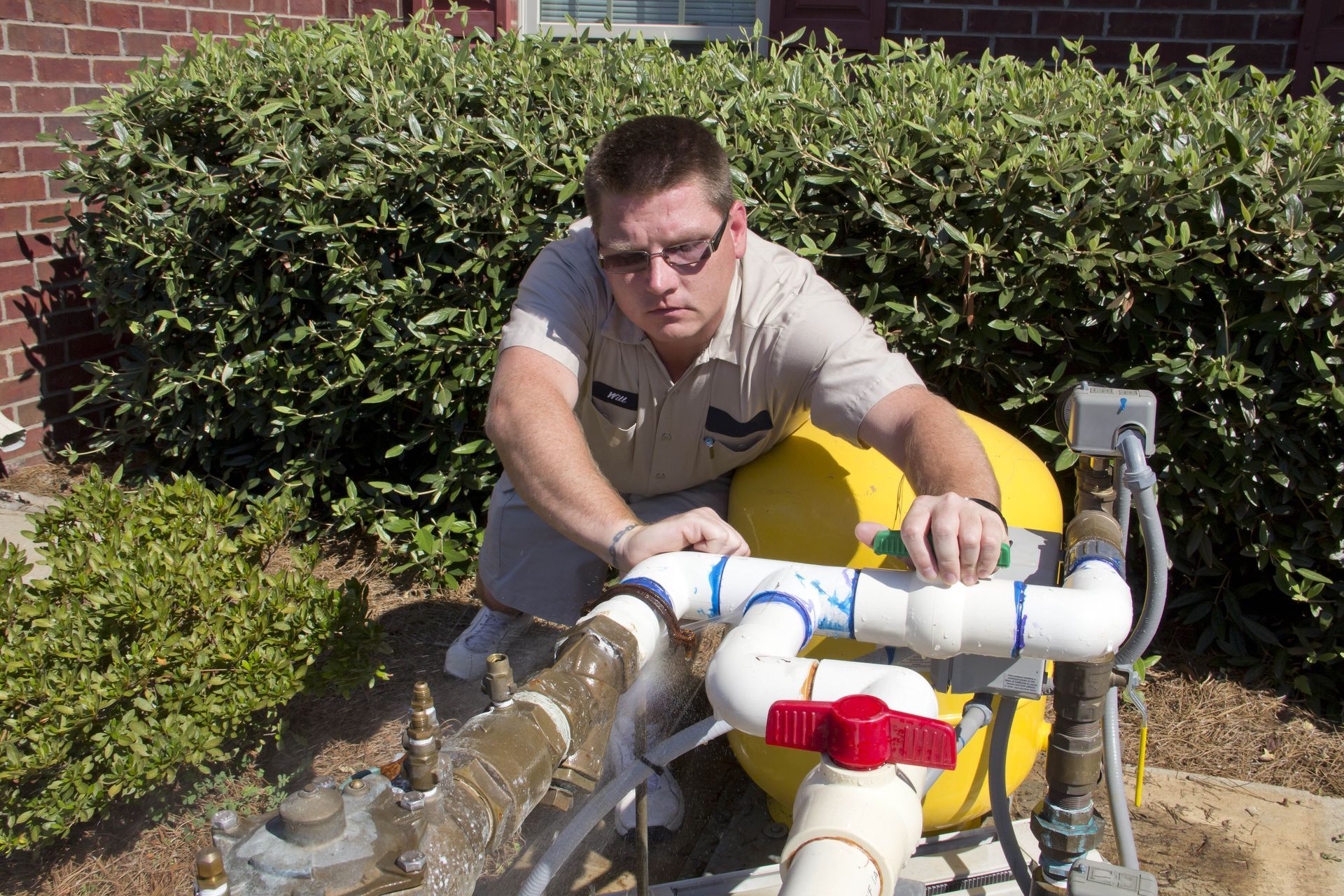
Well service includes a wide range of activities that support drilling, completion, and maintenance operations. These functions are essential for ensuring efficiency and reliability throughout the lifecycle of a well.
From cementing and casing to intervention and production optimization, these services play a critical role in maintaining performance and extending operational life.
Service teams often work alongside drilling crews to ensure seamless coordination, minimizing downtime and improving productivity.
2.2 Importance of Well Integrity and Safety
Maintaining well integrity is essential for safe operations. Proper design and monitoring help prevent leaks and ensure long-term stability.
Safety protocols and advanced monitoring technologies allow operators to detect issues early and respond effectively.
Regular inspections and testing further reinforce structural integrity, reducing the likelihood of operational failures.
2.3 Innovations in Well Service Technologies
Technological advancements have transformed well service operations. Automation and data analytics improve efficiency and reduce risks.
Real-time data allows for predictive maintenance and better decision-making, helping optimize performance.
Digital platforms and remote monitoring systems provide operators with greater control over complex processes.
2.4 Case Studies: Successful Interventions
Case studies highlight how innovative techniques improve production and resolve operational challenges. Successful interventions demonstrate the value of planning and expertise.
These examples provide insights that guide future operations and encourage continuous improvement.
Lessons learned from past interventions help refine strategies, leading to more efficient and reliable outcomes.
2.5 The Economics of Oilfield Support in the Shale Industry
The economic success of shale operations depends on efficient service execution. Cost-effective strategies help maximize output and reduce downtime.
Investment in technology and skilled labor supports long-term growth and stability in the sector.
Strategic planning and resource allocation further enhance profitability while maintaining operational excellence.
3. Advances in Equipment and Technology
3.1 Innovation in Drilling Equipment
Modern drilling equipment improves accuracy, safety, and efficiency. Advanced tools allow access to more complex reservoirs.
Real-time monitoring systems provide valuable data that helps optimize drilling performance.
Automation and robotics are increasingly used to reduce manual labor and improve consistency in operations.
3.2 Digital Transformation in Oilfield Services
Digital technologies are reshaping oilfield operations by integrating data analytics, artificial intelligence, and cloud-based systems. These tools improve decision-making and operational visibility.
Operators can analyze large datasets to identify trends, optimize performance, and reduce inefficiencies.
This digital shift enhances collaboration between teams and enables faster responses to changing conditions.
3.3 Sustainability and Environmental Technology
Sustainability technologies focus on reducing emissions, conserving water, and minimizing environmental impact. These innovations are becoming critical in modern drilling operations.
Advanced filtration systems and energy-efficient equipment help operators meet regulatory requirements.
Companies are increasingly investing in green technologies to align with global sustainability goals.
3.4 Automation and Remote Operations
Automation allows for greater precision and efficiency in drilling operations. Remote systems enable operators to control processes from centralized locations.
This approach reduces the need for on-site personnel and enhances safety in hazardous environments.
Remote monitoring also enables continuous performance tracking and faster issue resolution.
3.5 Future Outlook and Industry Trends
The future of shale development will focus on automation, sustainability, and digital integration. These trends aim to improve efficiency while reducing environmental impact.
Continued innovation and collaboration will drive the industry forward and support global energy needs.
Emerging technologies and evolving regulations will shape the next phase of growth in shale and horizontal drilling.
The expansion of shale and horizontal drilling has reshaped the energy landscape. Well service remains a critical component, supporting operations at every stage. Through innovation and efficiency, the industry continues to evolve, ensuring sustainable and reliable energy production for the future. As new challenges emerge, the adaptability of service providers and operators will determine the long-term success of the sector. Collaboration, technology, and sustainability will continue to define the future of well service in this dynamic industry. Contact A First Choice Well Service and get connected to our well services.