January 16, 2026
Well drilling is a foundational practice that supports modern life by providing access to water, energy, and subsurface resources essential for economic stability and community development. From residential water access to large-scale industrial and energy production, drilling operations play a critical role in sustaining populations and advancing infrastructure, particularly when paired with professional water line installation that connects wells to homes, businesses, and municipal systems.
Beyond the mechanical act of penetrating the earth’s surface, well drilling involves extensive planning, geological assessment, regulatory compliance, and environmental oversight. Each project must account for subsurface conditions, long-term resource management, and community impact, with water line installation serving as a critical step in delivering usable water once drilling is complete.
History and Evolution of Well Drilling
Early well drilling practices date back thousands of years, driven by humanity’s need for reliable water sources. Ancient civilizations in regions such as China, Egypt, and Mesopotamia developed manual drilling techniques using basic tools made from wood, stone, and metal. These early systems laid the groundwork for modern well access and primitive forms of water line installation that carried water from the source to populated areas.
The industrial revolution marked a turning point in well drilling history. The introduction of mechanized drilling equipment powered by steam and later electricity allowed wells to reach greater depths with improved efficiency. As drilling advanced, so did water line installation methods, improving the reliability and reach of water delivery systems tied to newly drilled wells.
Significant milestones, such as the discovery of major oil reserves in the early twentieth century, accelerated innovation in drilling technology. Over time, drilling expanded beyond water access to include oil, gas, geothermal energy, and scientific monitoring, while residential and commercial water line installation evolved alongside these advancements to meet growing infrastructure demands.
Types of Wells and Their Purposes
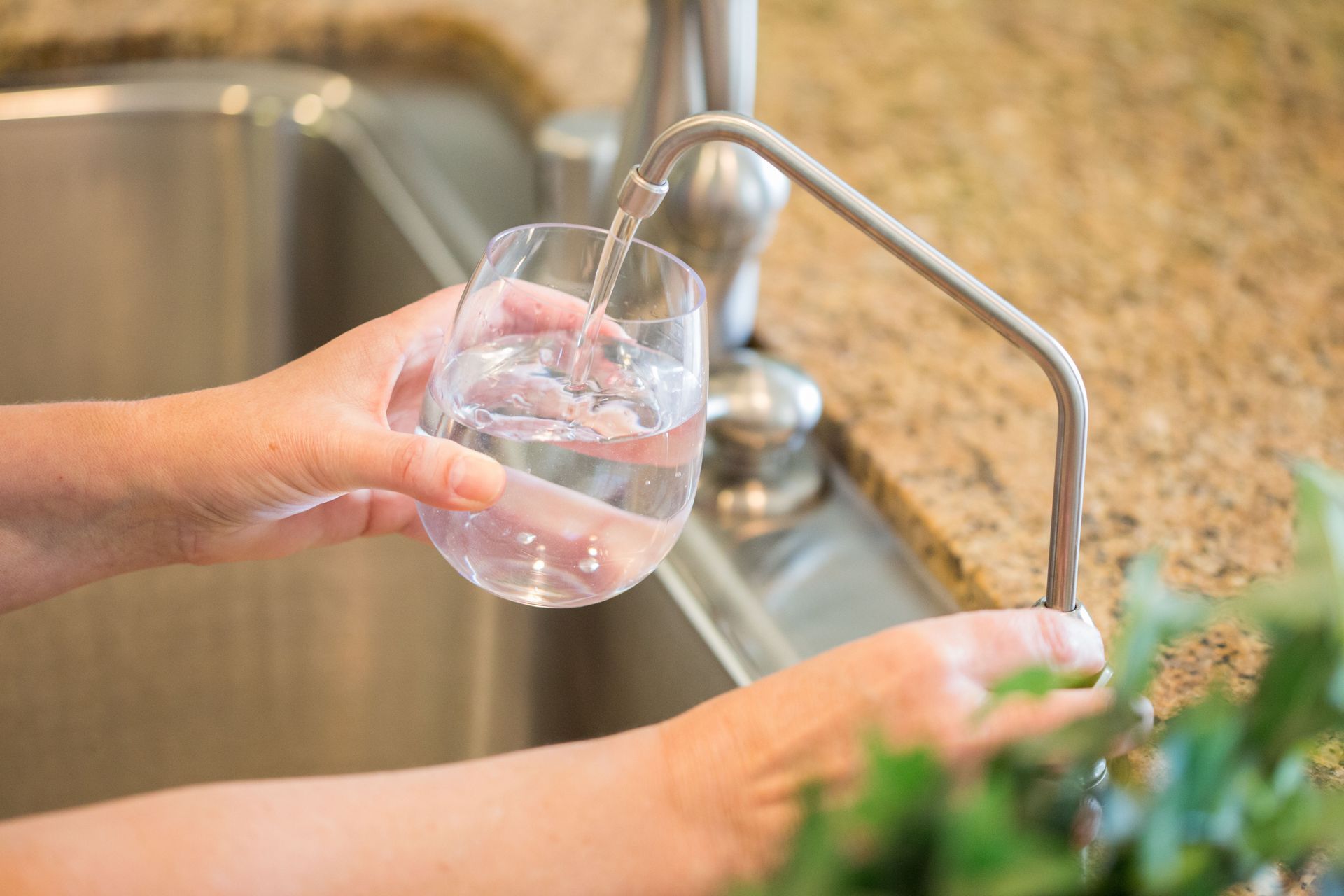
Water wells remain among the most common and essential types of drilled wells, supplying households, farms, and municipalities with groundwater. These wells vary in depth depending on local geology and water table conditions, with deeper wells typically offering greater protection from surface contamination. According to Well Doctor LLC, if a well’s depth is less than 50 feet, then the well is said to be shallow, which can affect water consistency, vulnerability to surface contaminants, and seasonal fluctuations. Proper construction, casing, and water line installation are essential to preserving water quality, maintaining stable pressure, and supporting long-term system reliability.
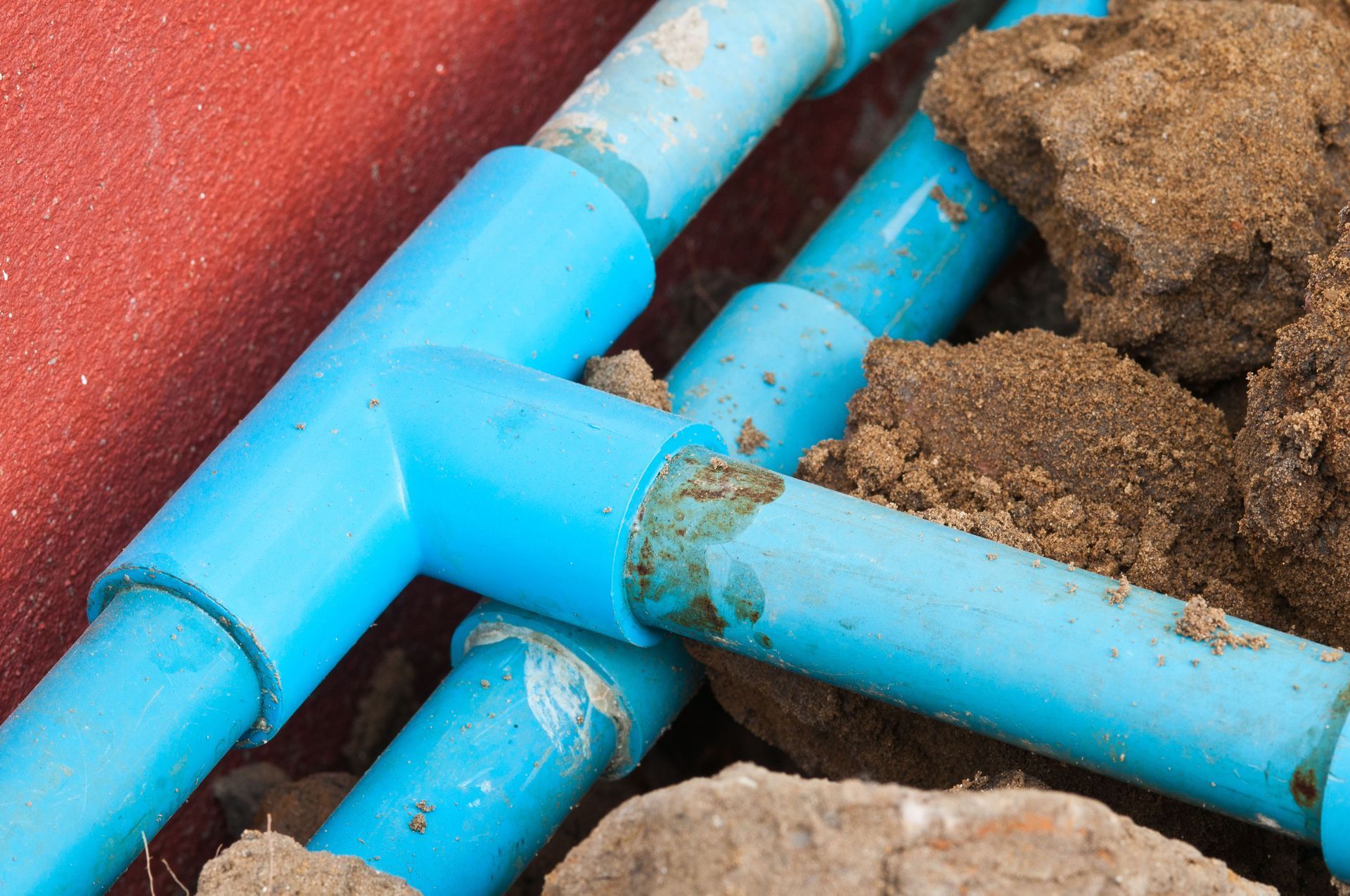
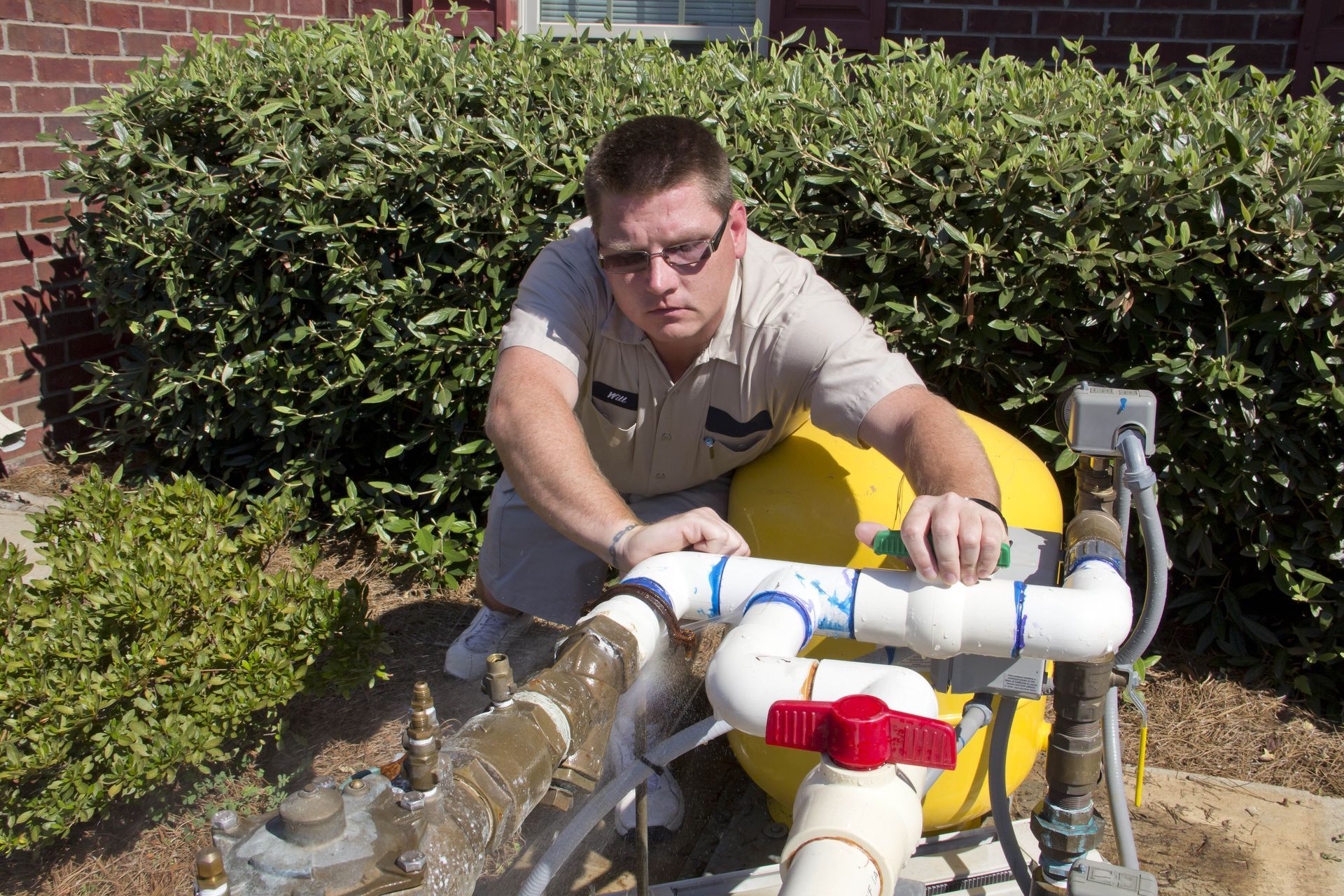
In rural and suburban areas, water line installation plays a major role in making private wells functional by transporting water efficiently from the wellhead to indoor plumbing systems. Without properly planned connections, even a high-quality well may fail to deliver consistent water pressure or volume.
Oil and gas wells are designed to extract hydrocarbons from deep geological formations, supporting global energy production. While these systems differ significantly from residential wells, monitoring wells and injection wells still rely on precise piping and water line installation techniques to manage fluids safely and effectively.
Equipment and Technology in Well Drilling
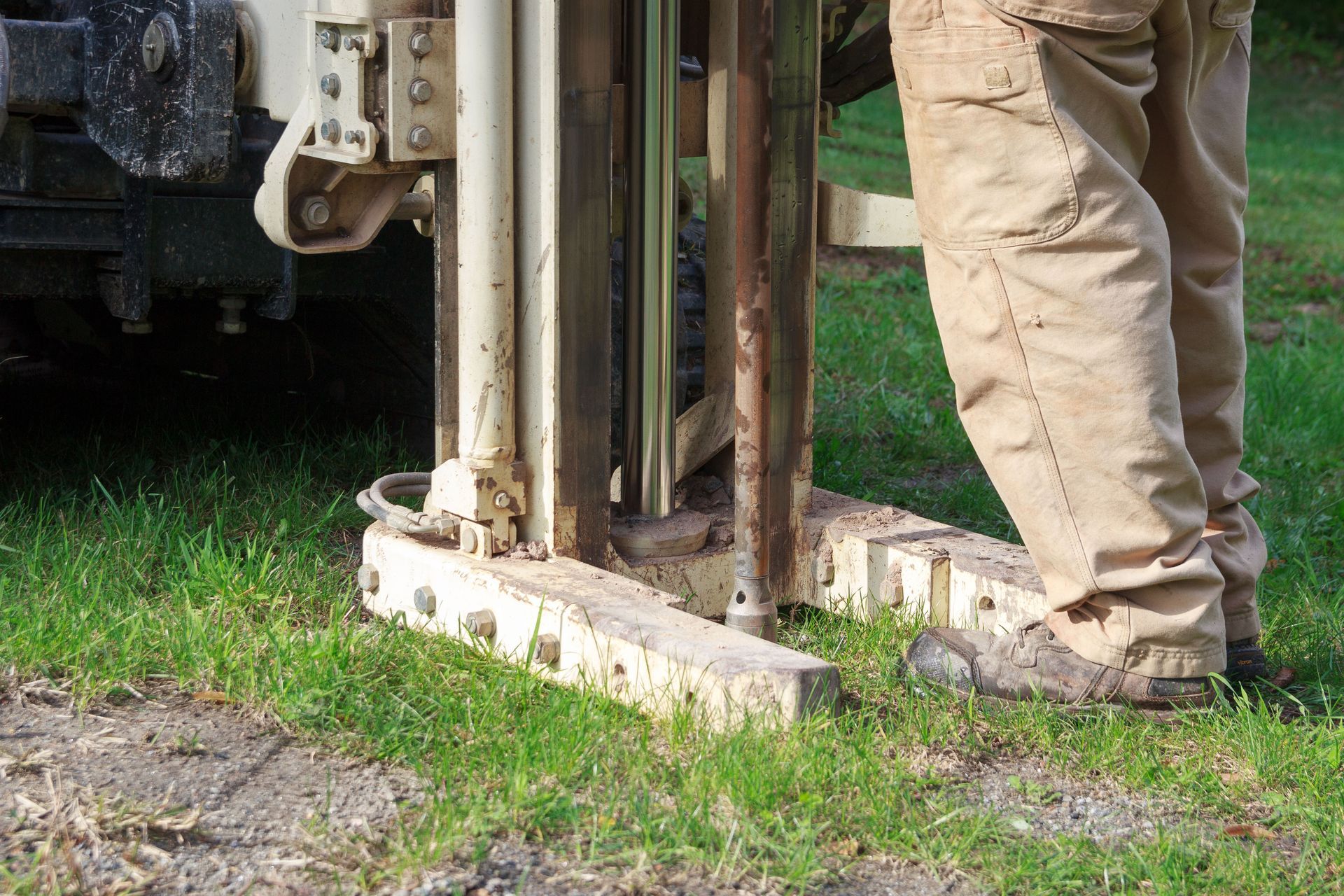
Drilling rigs form the operational backbone of well drilling projects, providing the structural and mechanical systems necessary to create boreholes. Selecting the appropriate rig depends on factors such as depth requirements, terrain, and project scope. Once drilling is complete, water line installation equipment is used to finalize the system and connect the well to distribution points.
Drilling bits are critical components that directly interact with subsurface formations. Advances in materials science have produced bits capable of cutting through hard rock with greater durability and precision, reducing delays that could otherwise affect subsequent water line installation timelines.
Data-driven technologies have transformed drilling accuracy and safety. Mud logging systems and Measurement While drilling tools provide real-time insights into subsurface conditions, helping professionals plan effective water line installation routes that avoid environmental or structural obstacles.
Environmental and Regulatory Considerations
Well drilling activities have the potential to affect surrounding ecosystems, making environmental protection a central concern. Drilling can disturb land surfaces, alter groundwater flow, and introduce contaminants if not properly managed. Environmental assessments often evaluate both drilling activity and water line installation to minimize disruption and protect natural resources.
Regulatory frameworks govern nearly every aspect of well drilling, from site selection to closure procedures. Regulations establish standards for equipment integrity, waste handling, water protection, and water line installation to safeguard public health and environmental stability.
Water protection protocols are especially important, as groundwater serves as a critical drinking water source for many communities. Protective casing, proper sealing, and compliant water line installation help prevent contamination and maintain consistent water quality over time.
Economic and Social Impacts of Well Drilling
Well drilling contributes significantly to economic development by supporting industries such as agriculture, energy, and manufacturing. Access to reliable water supplies enables food production and community growth, while water line installation creates additional skilled labor opportunities and infrastructure investment.
Employment opportunities generated by drilling projects extend across engineering, construction, logistics, and environmental monitoring. Water line installation professionals also play a vital role in these projects, supporting local economies through specialized trade skills and long-term system maintenance.
Market dynamics influence drilling activity through fluctuations in energy demand, regulatory changes, and technological advancements. The demand for efficient water line installation continues to grow as residential development and rural expansion increase reliance on private wells.
Future Trends and Challenges in Well Drilling
Technological innovation continues to shape the future of well drilling, with automation and artificial intelligence playing increasingly prominent roles. Predictive analytics and advanced materials promise greater efficiency in both drilling operations and water line installation, reducing costs and environmental impact.
Drilling in remote or extreme environments presents ongoing challenges related to logistics, climate conditions, and infrastructure access. In these areas, durable water line installation solutions are essential for long-term reliability and system performance.
Climate change and the global energy transition influence drilling strategies and priorities. As water scarcity becomes more prevalent, sustainable drilling practices and responsible water line installation will play an increasingly important role in resource management.
Planning and Site Preparation for Well Systems
Successful well drilling projects begin long before equipment arrives on site. Careful planning and site preparation are critical for long-term performance, safety, and water quality. Professionals evaluate soil composition, groundwater depth, and surrounding land use to determine the most effective drilling location. This early phase also considers how water line installation will be routed from the wellhead to the structure it serves, helping avoid future disruptions or costly rework.
Site preparation often includes clearing access paths for drilling rigs, marking underground utilities, and establishing proper setbacks from septic systems or property lines. These steps support smoother drilling operations and allow water line installation to be completed efficiently once the well is operational. Thoughtful planning at this stage reduces the likelihood of contamination, pressure loss, or premature system wear.
Future-focused planning helps property owners prepare for these changes without compromising water reliability. Whether upgrading line capacity or rerouting connections, thoughtful adjustments support continued efficiency. When combined with modern drilling practices, adaptable water line installation helps well systems remain dependable for years to come.
Well drilling remains a critical activity that underpins water access, energy production, and economic development worldwide. Its evolution reflects advances in engineering, environmental science, and regulatory oversight, shaping how resources are accessed and managed. From initial drilling to final water line installation, each phase must be carefully planned to support reliability, sustainability, and long-term community needs. To learn more, reach out to A 1st Choice Well Service.