January 14, 2026
Water wells serve as a critical lifeline for homes, farms, and commercial properties that rely on independent water sources. Unlike municipal systems, private wells require direct oversight from the owner to ensure consistent performance, safety, and long-term reliability. A properly functioning well provides steady pressure, dependable volume, and water suitable for everyday use such as drinking, bathing, irrigation, and cleaning. When issues arise, however, they can disrupt daily routines and introduce risks to health and property.
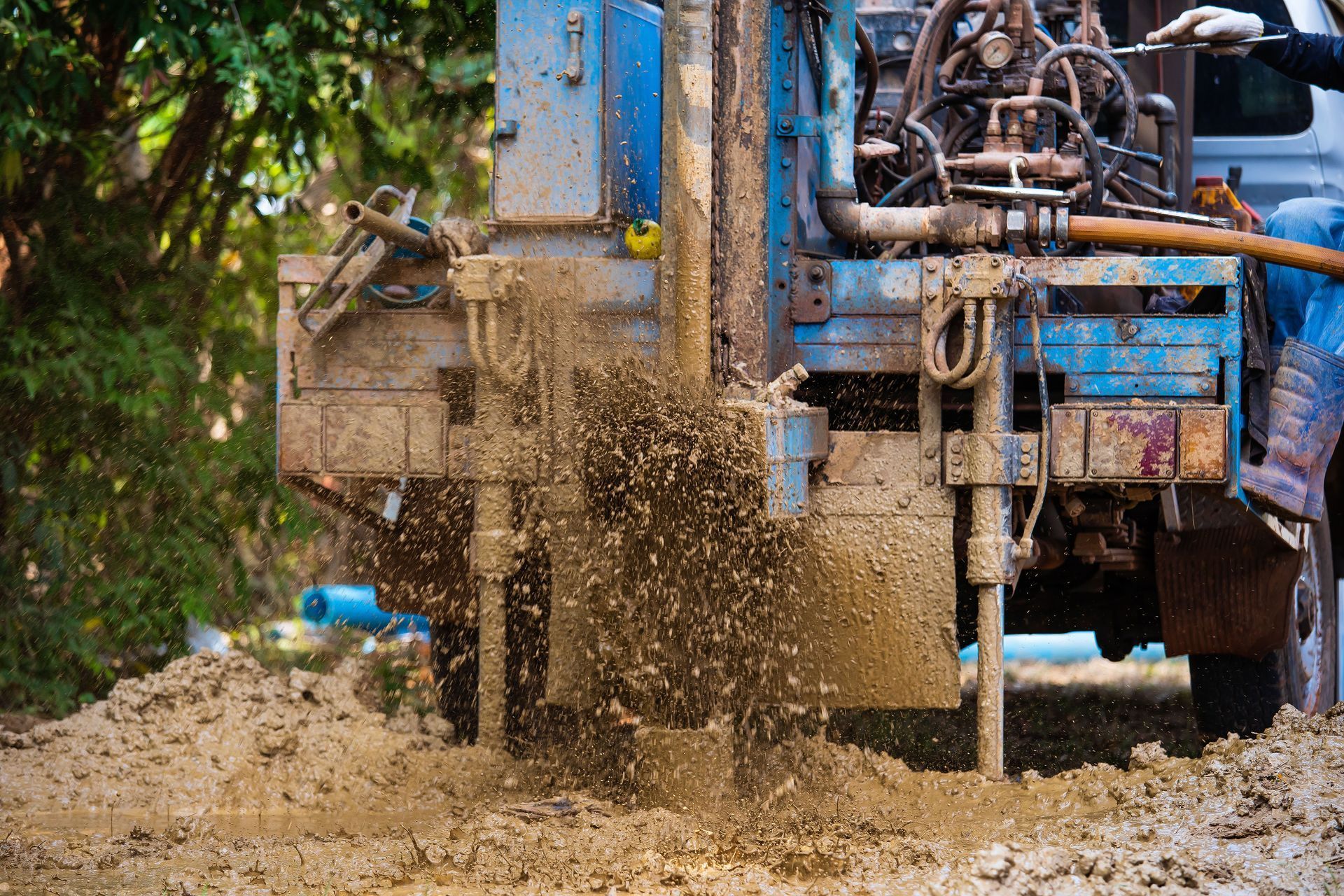
Local well drilling services play an essential role in maintaining these systems, offering expertise that goes beyond basic troubleshooting. Their work often complements water filtration solutions, addressing both the mechanical and environmental factors that influence water quality and availability. Understanding when professional assistance is necessary allows property owners to act proactively, minimizing downtime and avoiding costly damage.
Recognizing the Early Signs of Low Water Yield
Low water yield is one of the most common and concerning well-related issues. It typically develops gradually, beginning with subtle changes that worsen over time. Frequent pump cycling is often an early indicator, occurring when the pump turns on and off more frequently due to insufficient water reaching the pressure tank. Reduced water pressure, particularly when multiple fixtures are in use, may signal declining aquifer levels or obstructions within the well.
Air sputtering from faucets is another warning sign, suggesting that the water level has dropped below the pump intake. Longer pump run times and poor recovery after heavy use further indicate that the well is struggling to replenish its supply. These conditions place additional stress on pumps and electrical components, increasing energy consumption and shortening equipment lifespan. Well drilling services evaluate the entire system, including depth, yield capacity, and pump placement, and may recommend structural adjustments or supportive water filtration to manage sediment and flow challenges.
Identifying Water Quality Problems That Require Professional Help
Water quality issues should always be taken seriously, as they can directly affect health and safety. Changes in taste, smell, or appearance often indicate underlying problems that extend beyond simple aesthetic concerns. Cloudy or discolored water may result from sediment intrusion, corrosion, or casing damage. Metallic tastes, sulfur odors, or unusual flavors often point to naturally occurring minerals or chemical imbalances.
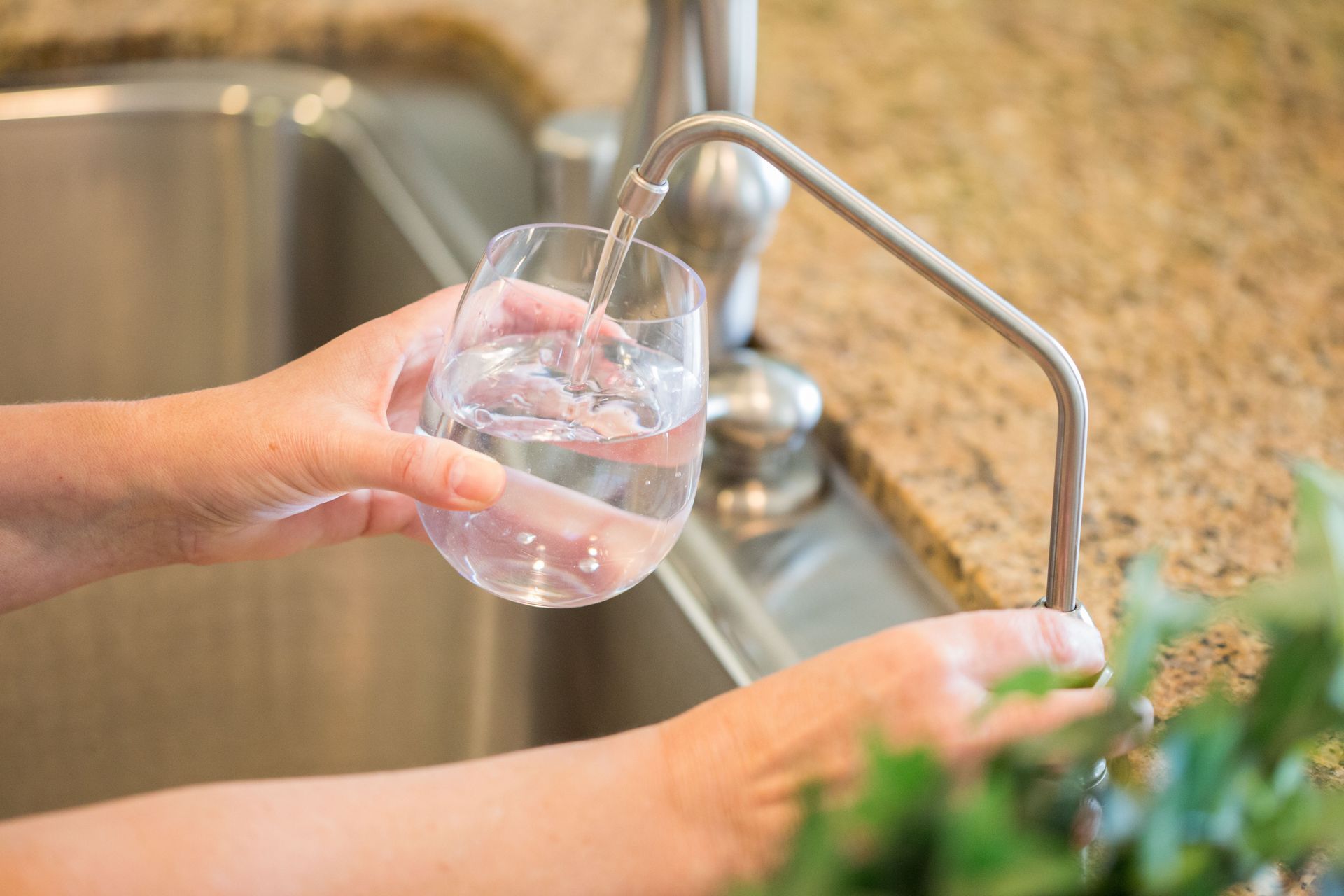
Routine contaminant testing is essential for private wells, and any positive results for bacteria, nitrates, or heavy metals warrant immediate professional intervention. While water filtration systems are effective at improving taste and clarity, they cannot correct structural failures or eliminate contamination sources on their own. Health symptoms associated with water use, such as gastrointestinal discomfort or skin irritation, further emphasize the urgency of expert evaluation. Well drilling services identify the source of contamination, repair structural issues, and recommend appropriate treatment strategies to restore safe water conditions.
Planning Well Installation for New Construction and Development
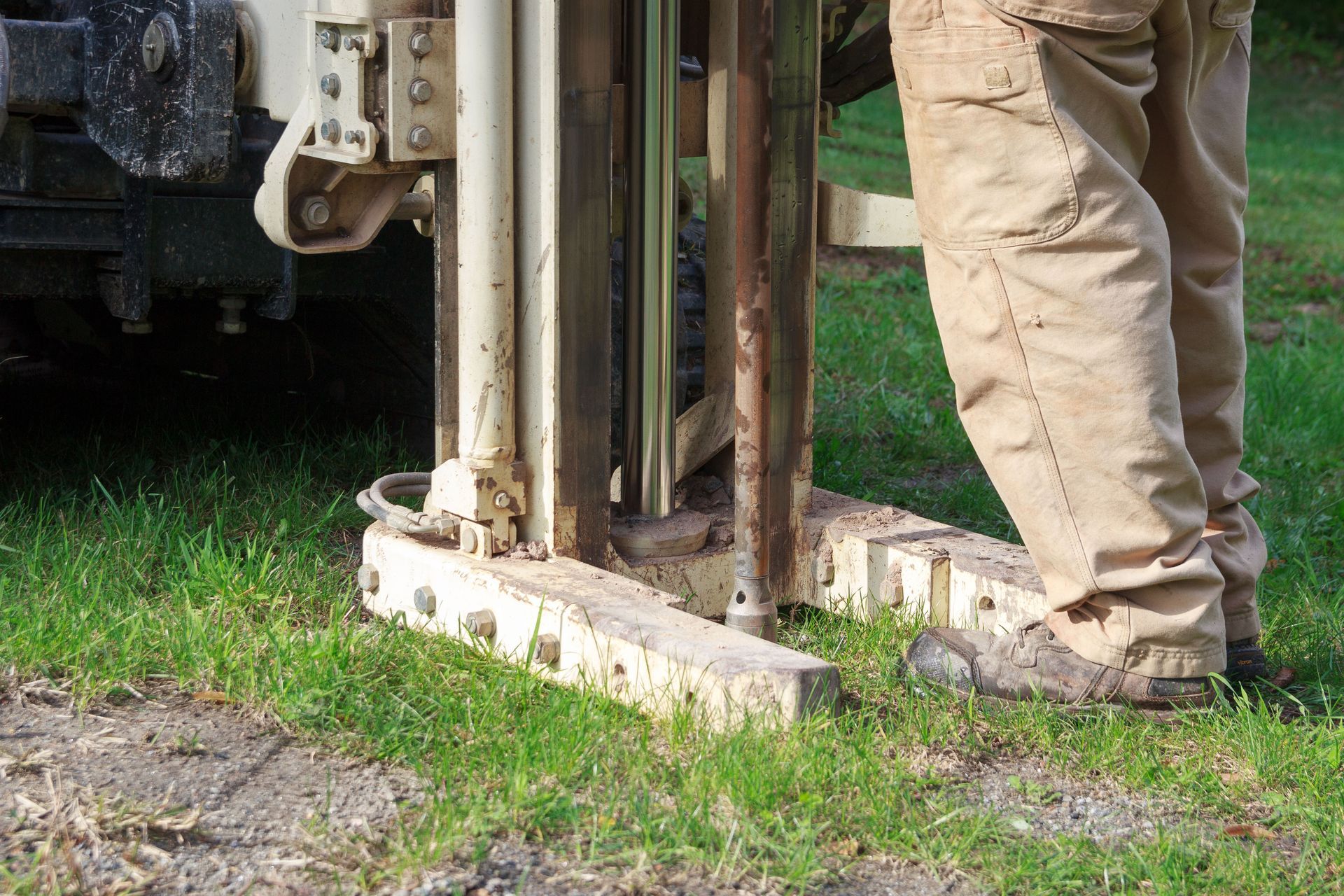
New construction and property development projects require careful planning to establish a reliable and sustainable water source. Well placement, depth, and capacity must align with site-specific conditions such as soil composition, aquifer characteristics, and anticipated usage demands. Well drilling services provide critical guidance during this phase, ensuring regulatory compliance and long-term system performance.
According to Well Doctor LLC, the typical depth of a well for a private residence ranges anywhere from 100 to 800 feet, highlighting the importance of customized planning rather than standardized solutions. In addition to residential needs, irrigation systems for landscaping or agriculture require precise assessments to ensure efficient water distribution. Integrating water filtration during the design phase protects plumbing infrastructure and ensures consistent quality as water demand increases over time.
Maintaining Long-Term Performance Through Routine Well Care
Routine maintenance is one of the most effective ways to extend the lifespan of a well system and avoid unexpected failures. Scheduled inspections allow professionals to identify early signs of wear, declining yield, or water quality changes before they escalate. These evaluations often include pump performance checks, pressure testing, and water sampling.
Cleaning and rehabilitation services address mineral buildup, sediment accumulation, and biological growth that can restrict flow and reduce efficiency. Advances in technology also make equipment upgrades an important consideration. Modern pumps, control systems, and monitoring tools improve energy efficiency and system reliability. Preventative measures such as protective casing, surge protection, and enhanced water filtration reduce the risk of corrosion and contamination. While some basic upkeep may seem manageable, professional maintenance ensures accuracy, safety, and compliance with industry standards.
Responding Effectively to Well System Emergencies
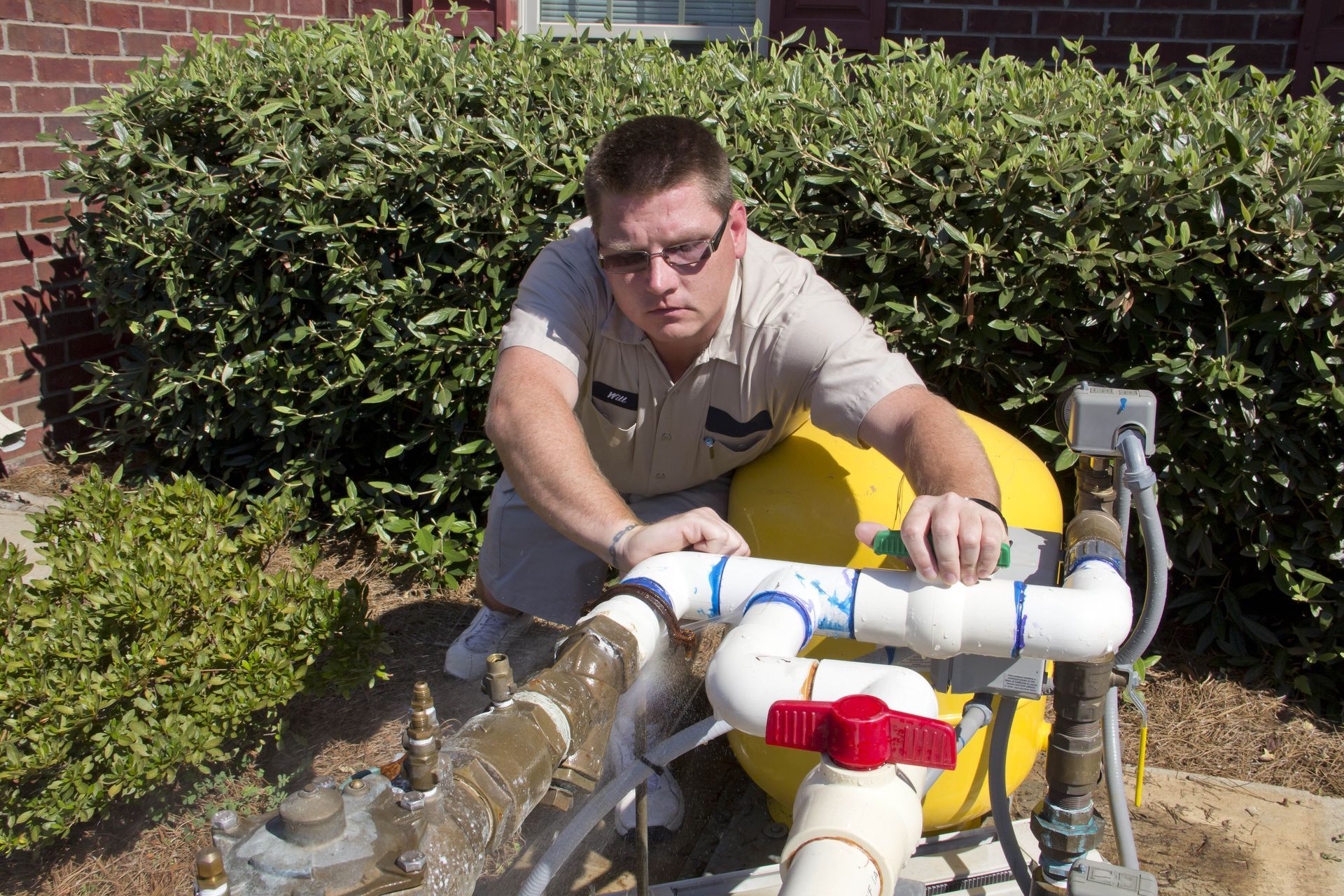
Well system emergencies can occur without warning and often require immediate professional response to prevent further damage or prolonged water outages. Sudden water loss disrupts daily activities and may stem from pump failure, electrical malfunctions, pressure tank issues, or structural damage within the well itself. In some cases, declining water levels or mechanical breakdowns can escalate quickly, making rapid diagnosis essential to restoring service and protecting system components.
Flooding events present additional risks by allowing surface water, debris, or harmful bacteria to enter the well, compromising water safety and usability. Well collapses or casing failures pose serious safety and operational concerns, potentially rendering the system unusable if not addressed promptly. Local well drilling services are equipped to respond quickly, using specialized tools and expertise to identify the source of the problem and implement effective repairs while ensuring compliance with safety standards.
Emergency response often includes a thorough evaluation of water quality to determine whether existing water filtration systems remain effective or require adjustment following repairs or contamination events. Professionals can recommend immediate corrective actions to safeguard water use during recovery. Establishing emergency contact procedures with a trusted well-drilling provider ensures faster response times, reduces downtime, and provides peace of mind when critical situations arise.
Using Expert Consultation to Improve Well Efficiency
Expert consultation offers long-term value by helping property owners better understand their well system's performance. Professional evaluations identify issues related to yield, pressure stability, and recovery rates that may not be immediately noticeable. Interpreting hydrogeological data allows for informed decisions regarding well depth, pump sizing, and future upgrades.
Each property presents unique challenges, and customized solutions are often necessary to achieve optimal results. Well drilling services tailor their recommendations based on site conditions, usage patterns, and long-term goals. They also provide cost-benefit analyses to help owners prioritize maintenance, upgrades, and water filtration investments.
Planning for Sustainability and Future Water Needs
Sustainable well management requires balancing current demands with future considerations. Population growth, property expansion, and increased water usage can place additional strain on existing systems. Well drilling services help property owners plan for these changes by designing adaptable systems that accommodate growth without extensive modifications.
Long-term planning also emphasizes environmental responsibility, ensuring groundwater resources are protected for continued use. Regular evaluations, responsible pumping practices, and effective water filtration contribute to system longevity and water quality preservation. Partnering with professionals committed to sustainable practices helps secure a reliable water supply for years to come.
Understanding when to call local well drilling services is essential for maintaining reliable water access, protecting system components, and safeguarding water quality. Persistent low yield, noticeable changes in water quality, construction planning needs, routine maintenance requirements, and emergencies all indicate the need for professional expertise. When paired with properly designed
water filtration, expert well services deliver dependable, long-term solutions that protect both health and property value. If your well system shows signs of trouble or you're planning for future water needs, contact an expert local well drilling professional today at A 1st Choice Well Service to confirm your water supply remains safe, efficient, and dependable.