March 27, 2026
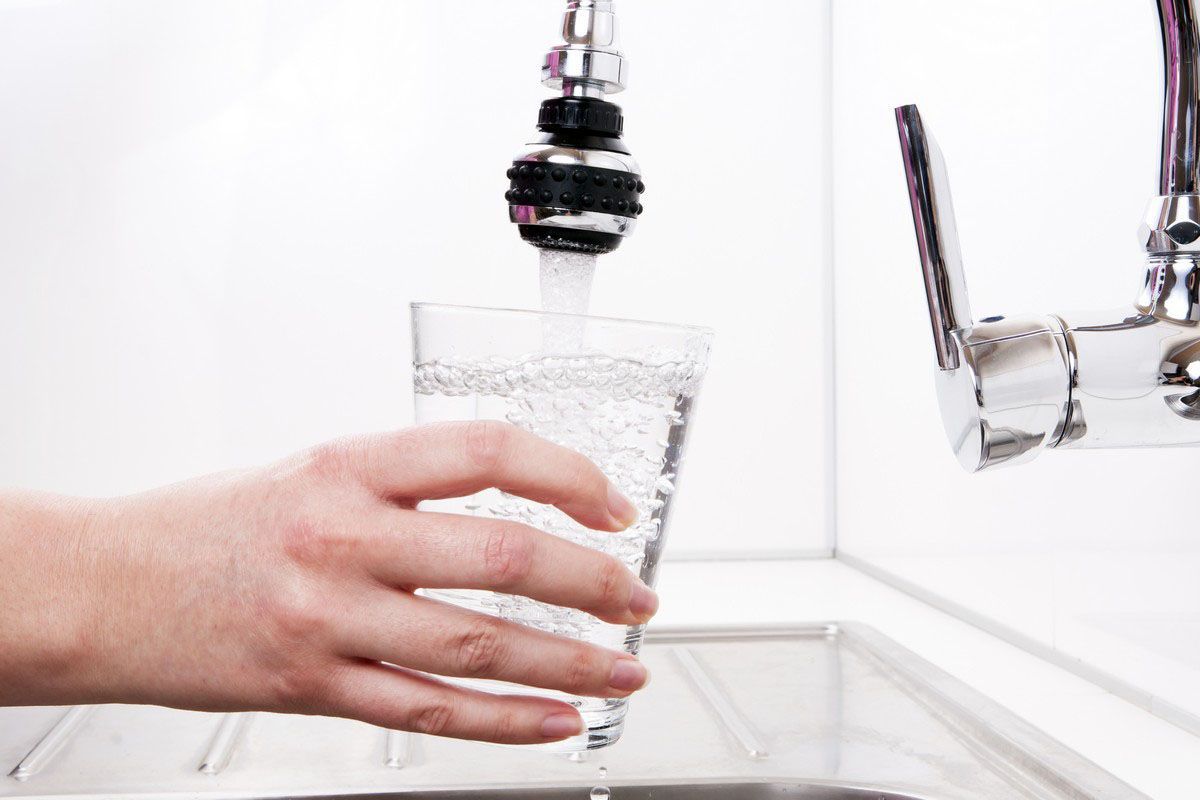
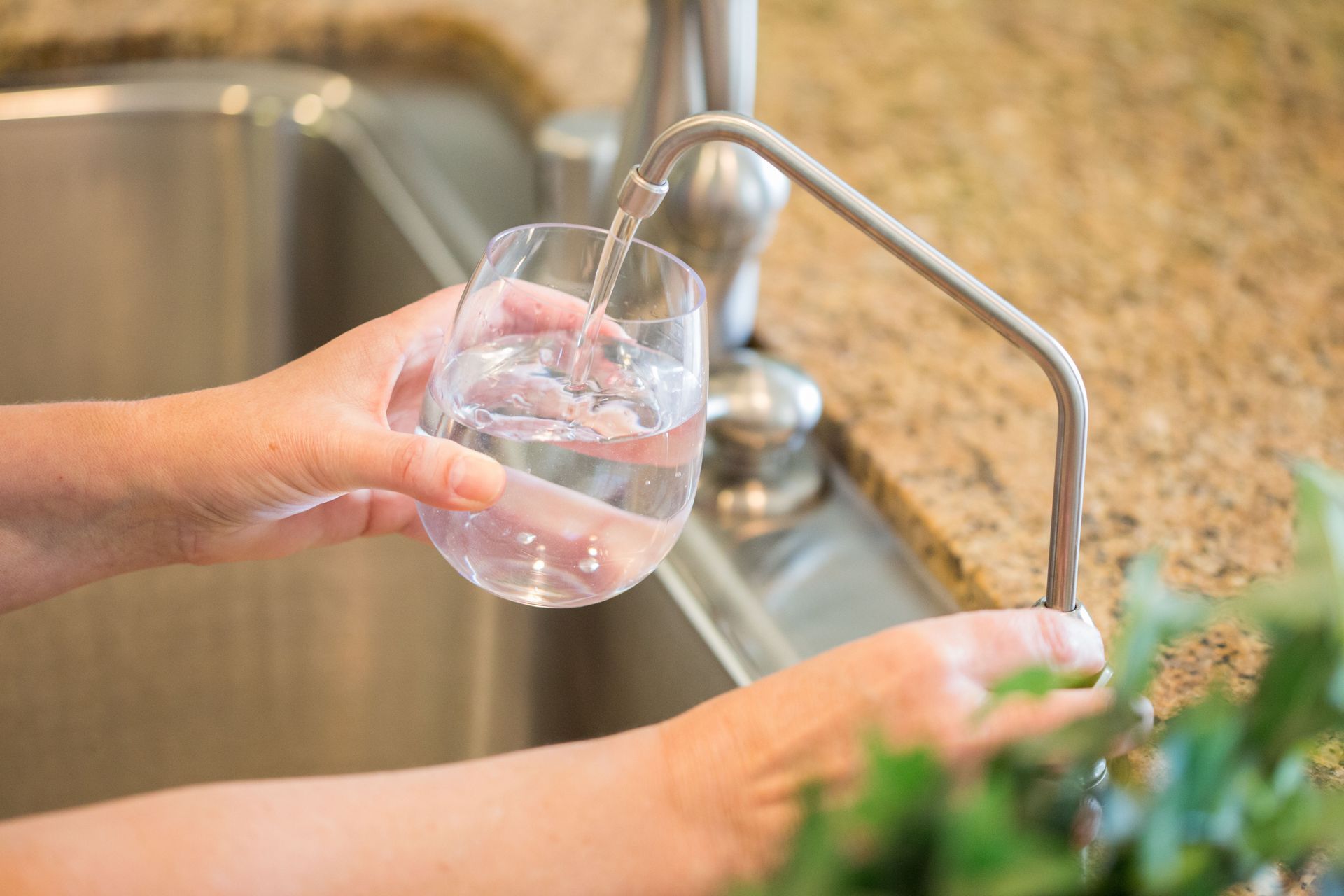
Water filtration systems are designed to remove impurities and contaminants from water, ensuring safe, clean drinking water for both homes and businesses. These systems use physical barriers, chemical processes, or biological methods to eliminate harmful substances such as sediments, bacteria, and chemicals. Residential water filtration provides peace of mind, knowing that drinking and cooking water is free from toxins that could impact health. In commercial settings, water filtration is critical for maintaining product quality, complying with health standards, and protecting equipment from scaling and corrosion.
Whether simple carbon filters or advanced reverse osmosis setups, all systems share the goal of delivering high-quality water while safeguarding human health. As environmental pollutants increase and water sources become more complex, the importance of water filtration has never been more evident. Homeowners and businesses alike benefit from professional installation and maintenance to ensure their filtration system operates efficiently and consistently, protecting both people and property over time.
Types of Water Filtration Systems
Water filtration systems vary widely depending on the type of contaminants they target and the desired output quality. Activated carbon filters are highly effective at removing organic compounds, chlorine, and odors, improving both taste and smell. Reverse osmosis systems use semi-permeable membranes to remove dissolved salts, heavy metals, and microscopic particles, providing near-pure water for drinking and cooking. Ultraviolet (UV) filtration targets bacteria and viruses without introducing chemicals, making it an eco-friendly option for pathogen control.
Ceramic filters use microporous materials to physically block contaminants, while sediment filters trap sand, rust, and larger particles. Some advanced systems combine multiple filtration methods for maximum effectiveness, addressing a wide range of water quality concerns in one integrated solution. Choosing the right water filtration system requires understanding both the source water quality and the household or business needs. Professional guidance ensures that the system is tailored to remove relevant contaminants efficiently and sustainably.
Health Benefits of Water Filtration Systems
One of the most significant benefits of water filtration is its impact on human health. Contaminants such as lead, arsenic, and chlorine can pose serious risks, including neurological damage, kidney problems, and skin irritation. Water filtration systems effectively remove these substances, reducing exposure to harmful chemicals and providing safe, clean water for everyday use. Filtration also helps prevent waterborne illnesses by eliminating bacteria, viruses, and parasites, reducing the risk of infections such as giardiasis and cholera.
Children, the elderly, and immunocompromised individuals are particularly vulnerable to these risks, making reliable filtration a necessity for households with at-risk populations. Beyond safety, filtered water often tastes and smells better, encouraging proper hydration and overall wellness. By investing in a professional water filtration system, homeowners and businesses ensure consistent access to safe, healthy water, protecting both short-term well-being and long-term health outcomes.
Environmental Benefits of Water Filtration
Water filtration systems contribute to environmental sustainability by reducing reliance on bottled water. Millions of plastic bottles end up in landfills and oceans each year, causing pollution and consuming natural resources during production. By providing safe water from the tap, filtration systems help reduce plastic waste and the environmental footprint associated with transportation and packaging. Additionally, modern filtration technologies are increasingly energy-efficient, minimizing energy consumption during water purification.
Filtration systems also encourage mindful water use, promoting sustainable consumption and resource management. Many systems include features like remineralization, returning essential minerals to purified water, enhancing health while conserving resources. By supporting clean water access locally, water filtration systems reduce the environmental strain of importing bottled water and contribute to broader conservation initiatives. These benefits demonstrate how filtration can be both an eco-friendly and practical investment.
Economic Advantages of Water Filtration
Water filtration systems can lead to considerable cost savings over time. Homeowners who install a high-quality filtration system reduce or eliminate the need to purchase bottled water, which can add up to hundreds of dollars per year. Commercial establishments benefit as well, avoiding equipment damage caused by scale buildup and chemical corrosion from untreated water. Installation of water filtration systems can also enhance property value, as buyers view them as a sign of health-conscious investment and well-maintained infrastructure.
Incentives, rebates, and tax breaks offered by local governments can further offset installation costs, encouraging households to adopt sustainable water practices. Additionally, water filtration reduces maintenance needs for appliances, plumbing, and HVAC systems by providing cleaner water, extending the lifespan of these investments. Ultimately, professional water filtration offers financial benefits alongside health and environmental advantages, making it a smart long-term choice for homeowners and businesses alike.
Challenges and Considerations for Water Filtration
While water filtration systems provide many benefits, certain challenges must be addressed to ensure optimal performance. Initial installation costs can be substantial, and periodic maintenance or filter replacement is essential for continued effectiveness. Different systems have varying capabilities, and not all contaminants may be removed by a single method. Understanding water composition and potential contaminants is critical in selecting the right system. Misconceptions about filtration efficiency can lead to neglect or improper usage, reducing effectiveness.
Additionally, advanced systems with digital interfaces or complex configurations may require training or professional monitoring. By consulting knowledgeable professionals, these challenges can be managed effectively, ensuring that the system continues to deliver safe, clean, and reliable water consistently. Awareness of these factors is vital for households and businesses seeking long-term benefits from their water filtration investment.
Emerging Technologies in Water Filtration
Innovations in water filtration are continuously expanding the capabilities and convenience of these systems. Smart filtration units now provide real-time monitoring of water quality, alerting users when filters need replacement or if water contains unusual contaminant levels. Advanced materials such as graphene and carbon nanotubes improve filtration efficiency while minimizing energy usage. Portable water filtration devices have also become more effective, offering safe drinking water in emergency situations or remote locations.
Personalized filtration solutions allow users to tailor the removal of specific contaminants, including fluoride or heavy metals, based on their household needs. Global initiatives and collaborations between governments, NGOs, and private industry continue to expand access to safe water worldwide. These advancements ensure that filtration systems remain effective, convenient, and environmentally sustainable, adapting to evolving public health and ecological requirements.
Ways Water Filtration Services Enhance Quality and Safety
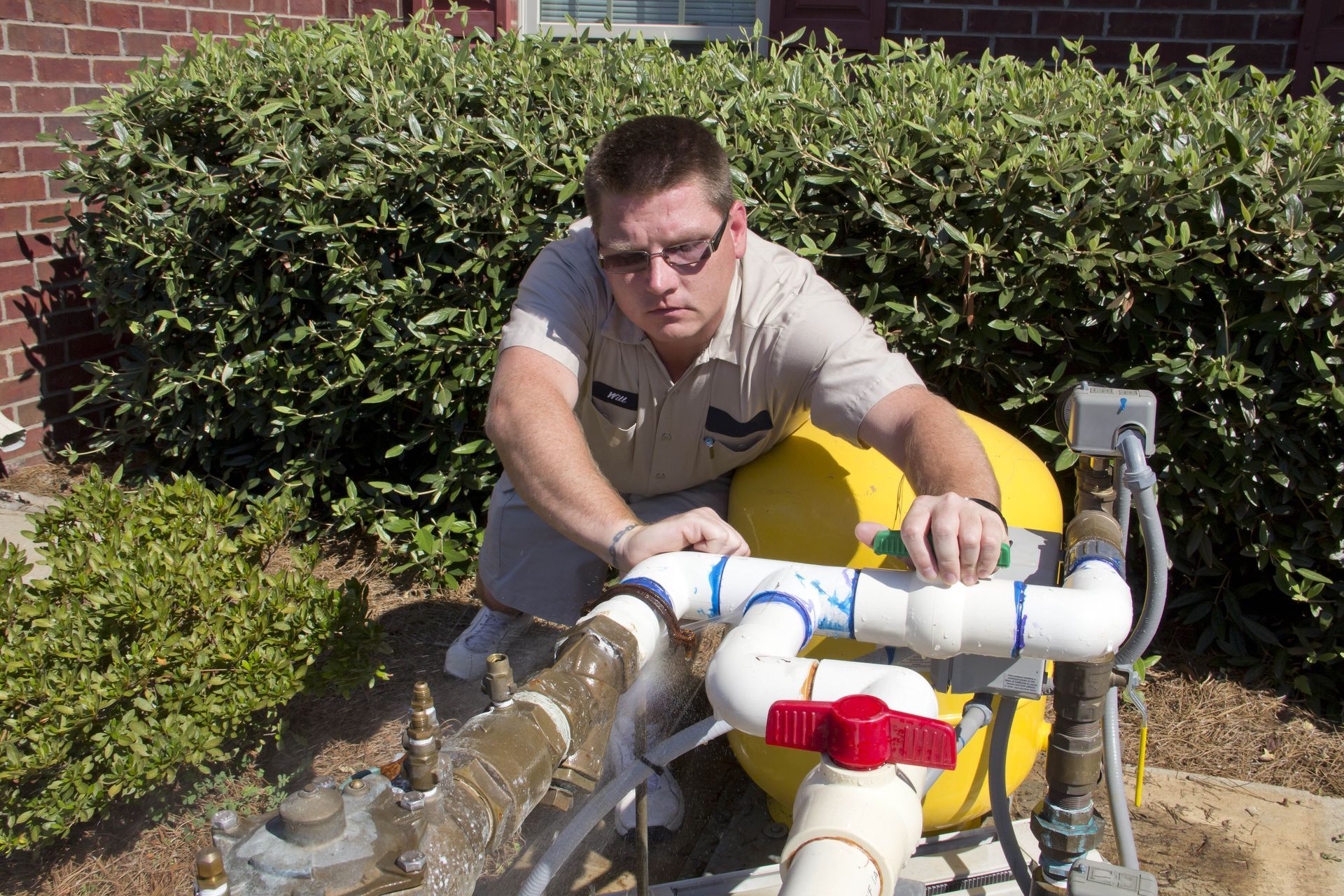
Engaging professional water filtration services ensures the highest levels of water quality and safety for both residential and commercial properties. Certified providers assess water sources, select appropriate filtration methods, and install systems tailored to specific needs, ensuring maximum contaminant removal. Regular maintenance by professionals prolongs the lifespan of filters, optimizes system efficiency, and prevents potential health risks from improper or neglected filtration. According to Well Doctor LLC, over 40 million people get their drinking water from about 12 million households in the U.S., highlighting the importance of reliable filtration for large populations.
Professionals also help clients navigate complex systems, from reverse osmosis to UV and carbon filters, ensuring consistent water taste, clarity, and odor. By leveraging specialized tools, expertise, and ongoing monitoring, these services prevent costly repairs, waterborne illnesses, and inefficiencies that can arise from DIY approaches. Investing in professional water filtration not only safeguards health but also adds value to a property and peace of mind for occupants. For dependable installation and maintenance, contact A 1st Choice Well Service and experience superior water filtration solutions.
Water filtration systems are essential for ensuring safe, clean, and reliable water in homes and businesses. They provide numerous health, environmental, and economic benefits while supporting sustainable water practices. Advances in technology continue to improve filtration effectiveness, accessibility, and efficiency. By choosing professional water filtration services, individuals and organizations safeguard their health, reduce environmental impact, and optimize long-term costs. As water quality challenges persist, the adoption of effective filtration systems remains critical to protecting public health and ensuring safe water access for all.