August 7, 2026
Clean, dependable water is something many homeowners rely on every day without giving much thought to what happens behind the scenes. Whether your household uses a private well or another water source, your filtration equipment works continuously to reduce contaminants, improve taste, and help provide cleaner water for drinking, cooking, bathing, and cleaning. However, even the highest-quality filtration system requires routine inspections to continue performing as intended.
Many homeowners assume that replacing a filter occasionally is enough, but regular inspections involve much more than checking whether a cartridge needs to be changed. Professional evaluations can identify developing issues before they affect water quality, reduce system performance, or lead to expensive repairs. Understanding why routine inspections matter can help you protect both your investment and your household's water supply.
Regular Inspections Help Maintain Reliable Performance
Every Filter Has a Limited Lifespan
Every filtration component gradually loses effectiveness as it captures sediment, minerals, and other unwanted materials. Over time, these substances accumulate within the filter media, reducing its ability to perform efficiently. While replacement schedules provide a helpful guideline, actual lifespan depends on water usage, water quality, and the specific contaminants present in your supply.
Regular inspections allow technicians to determine whether a filter is wearing out faster than expected. Instead of relying solely on a calendar, homeowners can make maintenance decisions based on the actual condition of their equipment. This approach helps ensure your water filtration system continues delivering dependable results throughout the year.
A professional inspection also confirms that replacement filters have been installed correctly. Improper installation may allow untreated water to bypass the filter or reduce overall system performance. Catching these issues early helps prevent unnecessary problems while maximizing the effectiveness of the entire system.
Water Quality Can Change Over Time
Many homeowners assume that because their water tested well once, it will always remain the same. In reality, groundwater conditions can change due to seasonal rainfall, nearby construction, shifting soil conditions, or natural mineral movement underground.
These changes may introduce new contaminants or increase the concentrations of existing ones. An inspection gives technicians the opportunity to evaluate whether your current water filtration equipment is still appropriate for your home's changing water conditions.
According to NSF.org, consumer research found that water filter owners are nearly three times more likely to value filter effectiveness than filtration speed. That finding highlights why maintaining filtration performance should remain the primary focus of routine inspections rather than simply how quickly water flows through the system.
Small Problems Become Larger Repairs
Minor issues rarely stay minor when left unaddressed. A loose connection, worn seal, partially clogged filter housing, or small pressure problem can eventually create leaks or reduce system efficiency.
Routine inspections allow trained professionals to identify these concerns while repairs remain relatively simple. Addressing minor wear early often helps homeowners avoid emergency service calls, water damage, or premature equipment replacement.
Because filtration systems operate continuously, even seemingly insignificant issues can gradually affect overall performance. Scheduled maintenance keeps the entire system functioning as intended while helping extend the lifespan of individual components.
Professional Inspections Protect Your Water Quality
Proper Testing Provides Better Answers
Water that appears clean is not always free from contaminants. Many substances that affect water quality cannot be detected through taste, smell, or appearance alone.
During an inspection, technicians often recommend water testing when necessary to identify minerals, bacteria, sediment, or other substances that may influence filtration performance. These results help determine whether adjustments or additional treatment methods are needed.
Testing also verifies that your water filtration equipment is effectively addressing the specific conditions found in your home's water supply. Instead of relying on assumptions, homeowners receive recommendations based on measurable results.
Different Filters Address Different Concerns
No single filter removes every possible contaminant. Sediment filters, carbon filters, iron filters, water softeners, and specialized treatment systems all serve different purposes.
Professional inspections confirm that each component continues performing its intended function while ensuring the complete system works together efficiently. If water conditions have changed, technicians can recommend modifications before declining performance becomes noticeable.
Routine evaluations also help homeowners understand when replacing only one filter is sufficient versus when additional service is needed. This prevents unnecessary expenses while maintaining consistent water quality.
Proper Water Pressure Matters
Many homeowners associate pressure problems with plumbing rather than filtration equipment. However, clogged filters frequently restrict water flow throughout the home.
During an inspection, technicians evaluate pressure levels alongside overall system operation. If restrictions are present, they can determine whether filter replacement, cleaning, or additional repairs are necessary.
Maintaining proper pressure helps household fixtures perform efficiently while reducing unnecessary strain on pumps and plumbing components. Well-balanced systems also improve the overall effectiveness of water filtration, allowing water to move through each treatment stage as designed.
Preventive Maintenance Saves Time and Money
Routine Service Helps Extend Equipment Life
Filtration systems represent a valuable investment for many homeowners. Like any mechanical system, they typically last longer when maintained consistently rather than only receiving attention after problems develop.
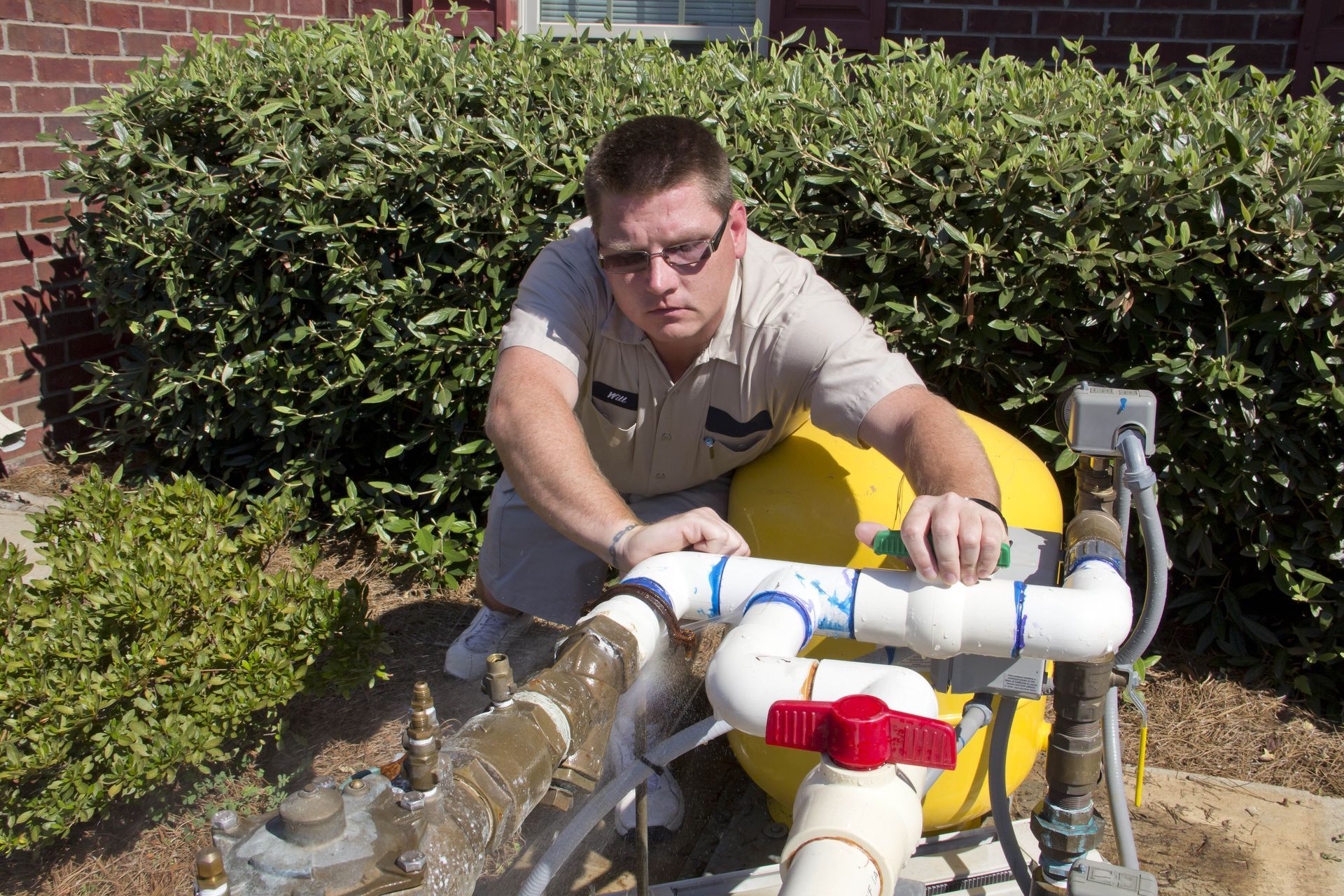
Professional inspections include evaluating housings, valves, fittings, pressure tanks, and related components that support normal operation. Identifying wear before failure helps preserve the condition of the entire system.
Replacing inexpensive seals or worn fittings during scheduled maintenance is generally far less costly than repairing damage caused by unexpected leaks or equipment failure. Consistent maintenance also helps your water filtration equipment continue operating efficiently throughout its expected lifespan.
Homeowners Gain Greater Peace of Mind
One of the greatest benefits of regular inspections is confidence in the quality of your household water. Instead of wondering whether your filters are still working properly, you have professional confirmation that your system continues performing as expected.
Routine maintenance appointments also provide opportunities to ask questions about filter replacement schedules, seasonal maintenance, or any changes you've noticed in your water. Professional guidance helps homeowners make informed decisions about ongoing care.
Knowing that experienced technicians have inspected your equipment reduces uncertainty and allows you to focus on enjoying dependable water throughout your home.
Experienced Professionals See What Others Miss
Although homeowners can perform basic visual checks, many developing issues require professional knowledge and specialized equipment to identify accurately. Experienced technicians understand how different filtration components interact and recognize subtle warning signs before they become significant problems.
A comprehensive inspection may include evaluating connections, pressure levels, filter condition, overall system performance, and any visible signs of wear. This thorough approach helps ensure every part of the filtration system receives proper attention.
Scheduling regular service for your water filtration equipment also creates a consistent maintenance history, making it easier to monitor performance over time and anticipate future service needs before unexpected interruptions occur.
Your home's filtration system works every day to provide cleaner, better-quality water, but it cannot continue performing at its best without regular maintenance. Routine inspections help identify changing water conditions, worn components, pressure concerns, and developing issues before they become larger problems. By investing in preventive service, homeowners can improve system reliability, extend equipment life, and enjoy greater confidence in the quality of their household water.
If it has been a while since your water filtration system was professionally evaluated, scheduling an inspection is a practical step toward protecting both your water supply and your investment. An experienced well water professional from A First Choice Well Service can assess your system, recommend any necessary maintenance, and help keep your home's water clean and dependable.