June 15, 2026
Short-cycling is a common issue with well pumps and can lead to inefficiency and potential damage if not addressed promptly. In this article, we will explore what causes short-cycling, discuss five primary indicators that your well pump needs attention, and provide actionable steps for diagnosis and repair. Understanding these symptoms will not only help protect your equipment but also ensure consistent access to water. The key to maintaining a well-operated system is the proactive identification and resolution of problems. Don’t wait for a major failure; use the insights in this article to take appropriate action early on and safeguard your property by scheduling professional well pump services.
Understanding Well Pump Short-Cycling
Definition of Short-Cycling
Short-cycling occurs when a well pump turns on and off too frequently, often at intervals shorter than intended by the system’s design. This issue can result from a variety of factors, including equipment malfunction or improper system settings. When a pump short-cycles, it fails to reach the optimal operating period needed to efficiently manage water pressure and volume. Consequently, the well pump’s lifespan can be significantly reduced due to excessive wear and tear. Addressing short-cycling quickly through targeted well pump services can prevent the inevitable strain and potential system failure brought about by these recurring stop-and-start cycles.
How Short-Cycling Affects Your System
The ramifications of short-cycling are multifaceted, impacting various components of your well water system. Energy consumption typically increases, as the pump uses more electricity to start up repeatedly rather than running at a steady pace. This inefficiency not only raises utility costs but also contributes to unnecessary environmental waste. Additionally, frequent cycling can lead to premature mechanical failures, particularly in the motor and pressure tank, which are subject to continuous stress. Over time, this can escalate into more serious issues such as leaking seals or a complete breakdown of the pumping system, making professional well pump services absolutely critical.
Common Causes of Short-Cycling
The underlying causes of short-cycling range from simple mechanical issues to more complex structural problems. Often, a faulty pressure switch that fails to properly gauge water pressure is at fault, initiating unneeded pump activation. A compromised pressure tank that cannot maintain consistent pressure levels can also lead to short cycles. In some cases, blockages or leaks in the supply line can cause irregularities that disrupt the pump’s normal function. According to This Old House, the type of well pump—whether jet or submersible—can also influence the likelihood of short-cycling, with each presenting its unique set of potential issues that require specialized well pump services.
1. Frequent On and Off Cycles
Recognizing Abnormal Cycling Patterns
Noticing the frequency at which your pump cycles is crucial for early detection of potential issues. While some cycle variations are normal, a pump that starts up every few minutes signals a problem. It is important to monitor these patterns over time to determine potential causal factors. Diligent observation can differentiate between normal operation and signs of short-cycling. Early intervention by booking well pump services can prevent many of the issues associated with increased cycling frequency.
Impact on Energy Consumption
Frequent cycling has a negative impact on energy consumption, often resulting in higher utility bills. Each cycle demands a surge of electricity to start the pump’s motor, causing cumulative costs over time. Despite the initial offset in energy use being small, it builds with continuous cycles, impacting your financial expenditures. Understanding the energy implications of cycling can encourage corrective actions. Reducing pump frequency brings not only energy savings but extends the life of your well pump system as a whole, which is a key objective of professional well pump services.
Causes of Rapid Cycling
The causes of rapid cycling can vary widely from mechanical faults to procedural errors. A prevalent issue is a malfunctioning pressure switch, failing in correctly reading pressure levels, thus erroneously triggering pump starts. Leaks within the system also contribute to rapid cycling as they undermine the pump's ability to maintain pressure. Sediment buildup may lead to blockages, further inhibiting efficient pump operation. Recognizing these causes can narrow down troubleshooting efforts to implement targeted solutions before you need emergency well pump services.
Solutions to Reduce Cycle Frequency
Implementing solutions to reduce cycle frequency can minimize energy waste and prevent system overloading. Regular maintenance such as checking and calibrating pressure switch settings can directly address short-cycling issues. Additionally, investing in a larger pressure tank can provide longer cycle times, reducing pump starts. Engaging professional well pump services could also reveal other underlying issues that merit attention. Proactive measures and routine inspection can ensure that cycle frequency remains manageable and efficient.
2. Fluctuating Water Pressure
Symptoms of Pressure Instability
Fluctuating water pressure is a key indicator of potential short-cycling problems within a pump system. If pressure drops suddenly or varies without explanation, it points to underlying disturbances. Monitoring water pressure across different fixtures in your home can reveal consistency or instability within the system. While momentary fluctuations are common, persistent or severe changes warrant further investigation. Consistent pressure delivery is fundamental to household water distribution; diagnosing issues early via well pump services avoids subsequent complications.
Identifying Pressure Tank Issues
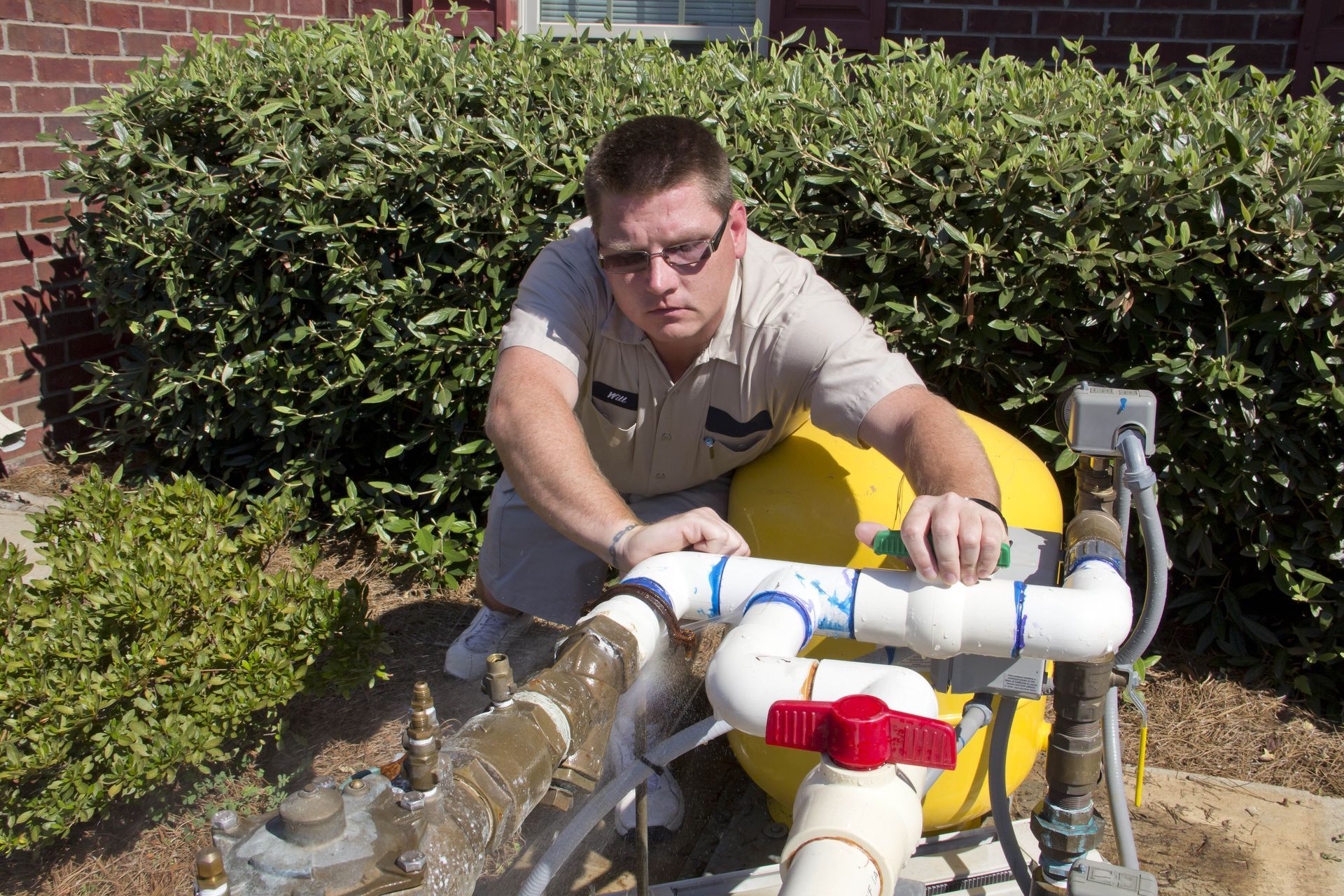
The pressure tank plays a pivotal role in maintaining steady pressure levels, and any issues here can directly impact system efficiency. Inadequate air-to-water ratio within the tank can lead to diminished pressure holding capabilities, prompting short-cycling. Regular inspections can detect leaks, rust, or structural failures that contribute to pressure disruptions. Appropriate corrections, such as recalibrating pressure tank settings, can often resolve these issues. By ensuring proper tank maintenance through professional well pump services, disruptions in water pressure can be minimized.
Influence of Pressure Switch Failures
The pressure switch is integral in regulating pump activation, and its malfunction is a frequent contributor to fluctuating water pressure. An uncalibrated or faulty switch may produce incorrect signals, causing irregular pressure levels. Simply readjusting the switch, or replacing it if necessary, is a straightforward corrective measure. Frequent testing and calibration of the pressure switch during maintenance expeditions ensure ongoing system reliability. Protecting these settings preserves steady pressure throughout, maintaining consistent water flow.
Testing Pressure Consistency
Testing pressure consistency throughout your system is crucial for identifying potential fluctuations or instabilities. Utilize a pressure gauge to regularly test valve outputs for consistency across different times and fixtures. Record these readings and compare them against known benchmarks for optimal performance. Any significant deviation from these standards signals a need for troubleshooting and potential adjustment within the system. Such diagnostics are instrumental in preemptively identifying system weaknesses and preventing disruptions to your water supply.
Methods for Pressure Stabilization
Stabilizing pressure is essential for both efficiency and comfort, with several strategies available to address potential issues. Correcting pressure tank settings or upgrading to a more suitably-sized tank can stably increase pressure levels over longer periods. Consider installing pressure regulating valves at points of water delivery to maintain even pressure regardless of external conditions. Engaging qualified technicians for expert well pump services can assure that desired adjustments achieve outcomes. These methods combine to optimize pressure stabilization and system performance. Professional well pump services ensure that all potential issues receive adequate attention, preventing future disturbances.
Well pump short-cycling is a serious operational issue that shouldn’t be ignored. By keeping an eye out for frequent cycles, fluctuating water pressure, strange noises, sudden spikes in your electric bill, and changes in water quality, you can catch the problem before it leads to total system failure. While basic DIY troubleshooting can help you identify minor issues, complex well systems require an expert hand. Investing in professional well pump services at the first sign of trouble will protect your equipment, lower your utility bills, and ensure a reliable, clean water supply for your home. Contact A First Choice Well Service today for more.